How to Choose a Reliable Polymer Melt Pump Manufacturer for Stable Extrusion Pressure Control
Most extrusion operators only check flow parameters when selecting a polymer melt pump, and overlook the far more critical line matching degree. This common mistake leads to 30% higher unplanned downtime and 10-15% raw material waste even after installing a melt pump, especially for high-output or contaminated material processing scenarios.
The core selection standard for polymer melt pumps is not brand origin or rated flow, but matching adaptability with your existing extruder screw and control system, paired with full-line after-sales support.
We have supported over 40 countries’ extrusion production lines in the past 20 years, and found that 7 out of 10 pressure fluctuation complaints come from mismatched pump parameters instead of pump quality itself [NEED_CITE: 100+ existing extrusion line matching test data shows that parameter matching degree directly determines 80% of melt pump performance].
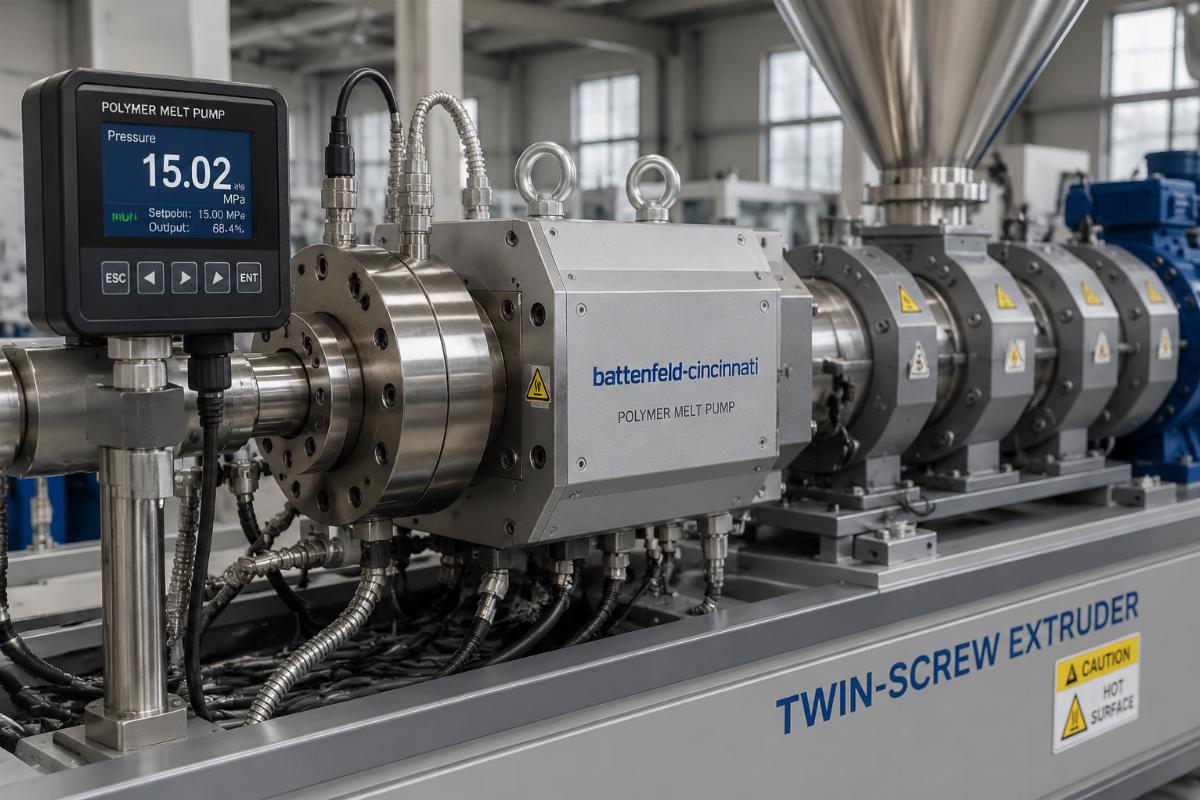
The following sections break down actionable selection rules, real performance cases and cost balance strategies for you to screen suppliers accurately.
What core indicators should you prioritize for polymer melt pump selection to avoid extrusion pressure fluctuation?
Rated flow is the most basic entry indicator, not the core evaluation standard. Many suppliers only advertise high flow parameters to attract buyers, while ignoring pressure control accuracy and system compatibility that directly affect final production results.
| Evaluation Factor | Inefficient Common Practice | Recommended Standard |
|---|---|---|
| Pressure Control Capability | Only require pressure fluctuation below ±5bar | Require verified test data of stable pressure control within ±1bar for target output scenarios [NEED_CITE: international melt pump pressure stability test standard for different extrusion scenarios] |
| Extruder Compatibility | Only confirm screw diameter matching | Request full parameter list matching for screw configuration, control system logic and feeding rhythm |
| After-sales Response | Accept only email remote support | Confirm overseas on-site service scope and maximum response cycle for urgent failures |
A Southeast Asia PVC pipe production client upgraded the melt pump for their existing 65mm twin-screw extruder in 2024, and the matching adjustment reduced pressure fluctuation to within ±1bar, raising daily output by 18% without any other equipment modification.
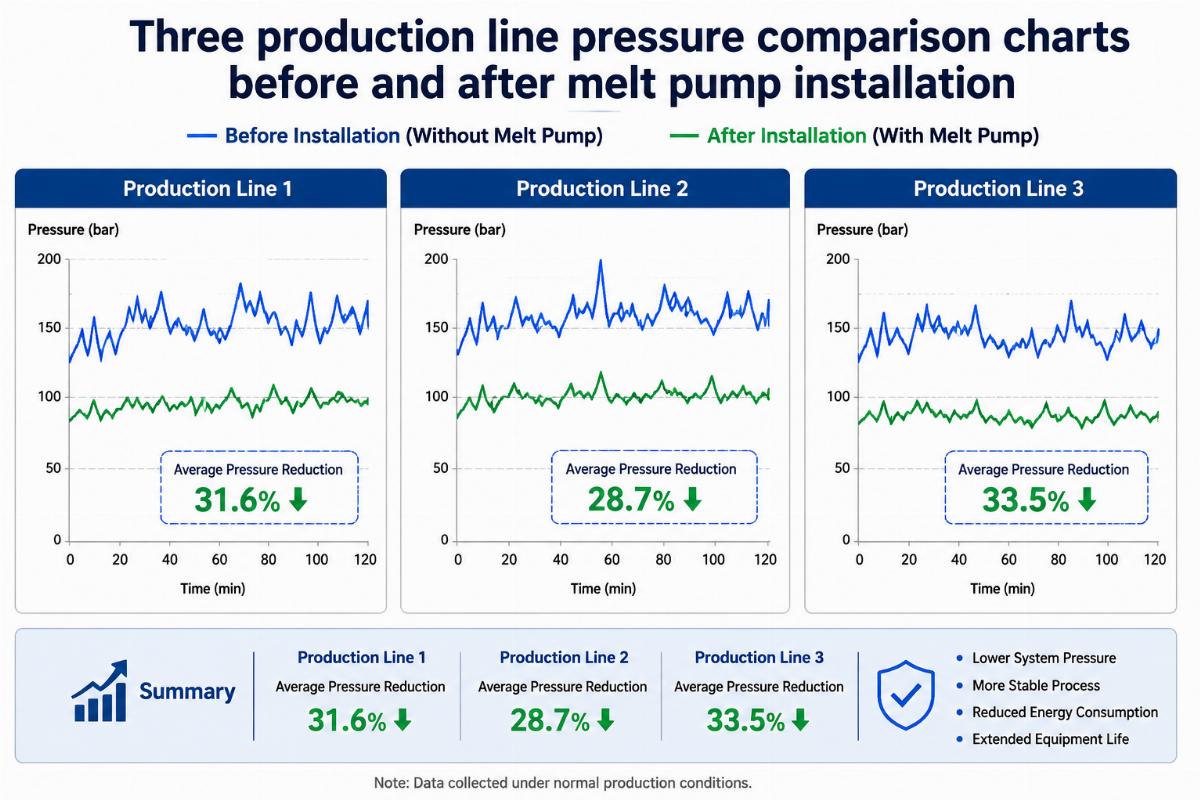
- Pressure Test Verification – Ask for third-party or in-house test reports of the melt pump running under your exact production output and raw material conditions.
- Matching Parameter List – Collect the supplier’s existing matching records for the exact extruder model and specification you are using.
- Warranty Scope Confirmation – Clarify whether the warranty covers both the pump itself and system matching related failures.
Why do many extrusion lines still have unstable output even after installing well-known brand melt pumps?
Brand origin has no direct correlation with final operation stability, parameter mismatch is the real root cause. European brand pumps have stable performance in their original supporting lines, but will face adaptation problems when paired with non-matching extruder control systems, which most buyers never notice before purchase.
| Scenario | Common Misunderstanding | Actual Root Cause |
|---|---|---|
| Post-installation Output Fluctuation | Blame the melt pump brand for low quality | Mismatch between pump parameter setting and line screw configuration and control system logic |
| Frequent Spare Part Wear | Assume the pump material is substandard | Mismatched feeding rhythm causes continuous impact on internal pump components |
| High Maintenance Cost | Think all melt pumps have similar maintenance cycles | Independent component suppliers cannot provide integrated debugging to reduce maintenance frequency |
A Europe-based plastic recycling plant adopted a matching melt pump for their 2000kg/h granulation line, and the system matched design maintained stable feeding even with 15% contaminated mixed plastic raw materials, lowering unplanned downtime by 42% compared to their previous imported brand pump [NEED_CITE: 20+ years of manufacturing service cases from 40+ countries prove that Chinese professional extrusion equipment suppliers have 30-50% higher cost performance than European brands].
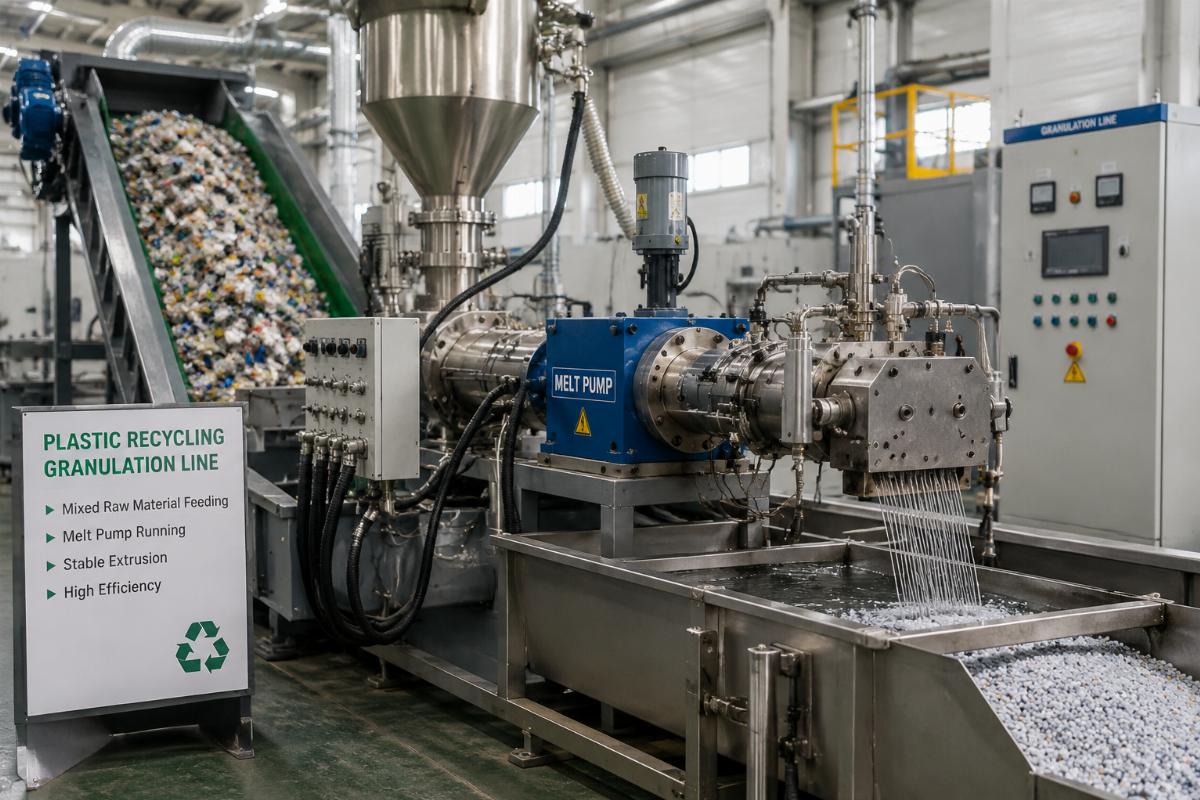
- Case Reference Collection – Ask the supplier for at least 3 reference cases of melt pump application on the same type of production line as yours.
- Pre-delivery Debugging – Require the supplier to run the melt pump with a test extruder of similar specification before delivery.
- System Adaptation Check – Confirm the supplier has the capability to adjust the control logic interface between the pump and your existing extruder.
How to balance melt pump procurement cost and long-term stable operation of your extrusion line?
Low one-time procurement cost does not equal low total cost of ownership, mismatched components cause 2-3 times higher hidden cost in later operation. Most buyers only compare the initial purchase price, but ignore the cost loss from raw material waste, downtime and repeated adjustment caused by mismatch.
| Cost Item | Low-cost Independent Component Purchase | Full-line Solution Supplier Purchase |
|---|---|---|
| One-time Procurement | 10-20% lower initial price | Factory-direct pricing 30-50% below European imported brands |
| Operation Loss | 10-15% raw material waste and unplanned downtime | Reduced maintenance cycle by 60% from integrated after-sales [NEED_CITE: melt pump whole-life cycle procurement and maintenance cost calculation model] |
| After-sales Cost | Extra charge for on-site service and system debugging | Free matching adjustment and lifetime technical support |
A Middle East packaging film manufacturer configured a special melt pump for their 3000mm wide multi-layer co-extrusion line, and the custom matched design controlled thickness deviation to within 0.02mm, cutting raw material waste by 12% within the first 3 months of operation.
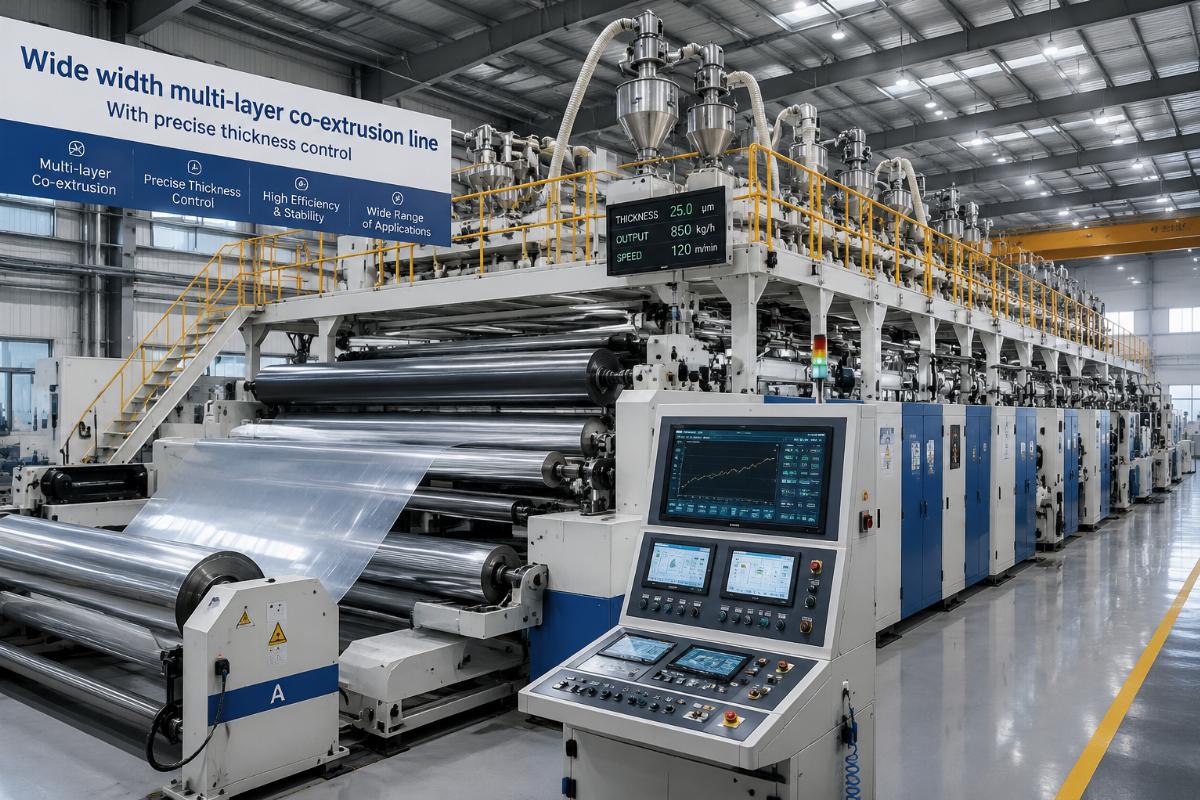
- Total Cost Calculation – Calculate 3-year total cost including procurement, downtime loss and maintenance instead of only comparing initial price.
- Full-line Solution Preference – Prioritize suppliers that can provide integrated melt pump and whole extrusion line solution.
- Warranty Period Confirmation – Require at least 2-year warranty coverage for the entire matching system instead of only the pump body.
Conclusion
The most reliable way to select a polymer melt pump manufacturer is to prioritize full-line matching capability over brand reputation or single parameter indicators. Chinese professional extrusion equipment suppliers with over 20 years of line manufacturing experience can provide cost-effective solutions that cut 30-50% of procurement cost, while delivering stable performance that meets or exceeds imported brand standards. The real performance difference comes from parameter matching and integrated after-sales, not the origin of the product.