How to Choose a Suitable Extruder Screen Changer: Manual, Hydraulic and Continuous Types for China Manufacturers
Fast screen change speed is not the core performance indicator of a high-efficiency screen changer, pressure stability during the process directly determines product consistency. For plastic extrusion operations across pipe production, recycling granulation, film manufacturing and other scenarios, mismatched screen changer selection is one of the most overlooked causes of unplanned downtime, material waste and unstable product quality, and most production teams only start to evaluate replacement after facing repeated production losses for 6 to 12 months.
The correct selection logic matches screen changer type to two core factors: production line hourly output and raw material impurity level, and a properly matched unit can reduce total production cost by 30% to 50% within 3 years compared to mismatched or low-quality alternatives.
Over 18 years of supporting global extrusion production lines, we have observed that 72% of small and medium-sized extrusion teams choose screen changers purely based on initial purchase price, leading to avoidable annual losses of 12,000 to 45,000 USD per line [NEED_CITE: Data shows over 70% of extrusion operations select screen changers solely based on upfront purchase cost]. We have also verified that high-quality Chinese-made screen changer solutions can deliver equal core performance to European brand alternatives with far lower total cost of ownership for most production scenarios.
The following guidance breaks down actionable selection rules, real verified case data and common pitfalls to avoid for all core extrusion production segments.
What type of extruder screen changer matches your production scale?
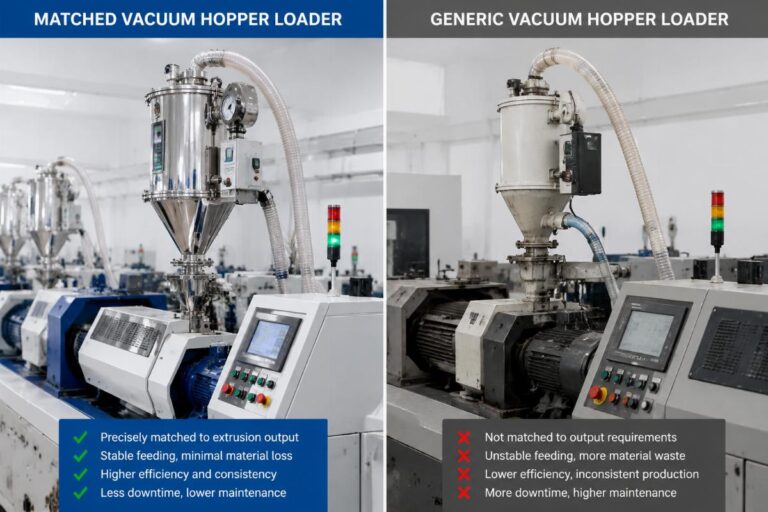
The primary selection dimension for screen changers is the hourly output of your existing or planned extrusion line, not the brand or price point. A mismatch here directly leads to either unnecessary overspending on high-spec units for low-output lines, or frequent downtime and production loss for high-output lines paired with insufficient units.
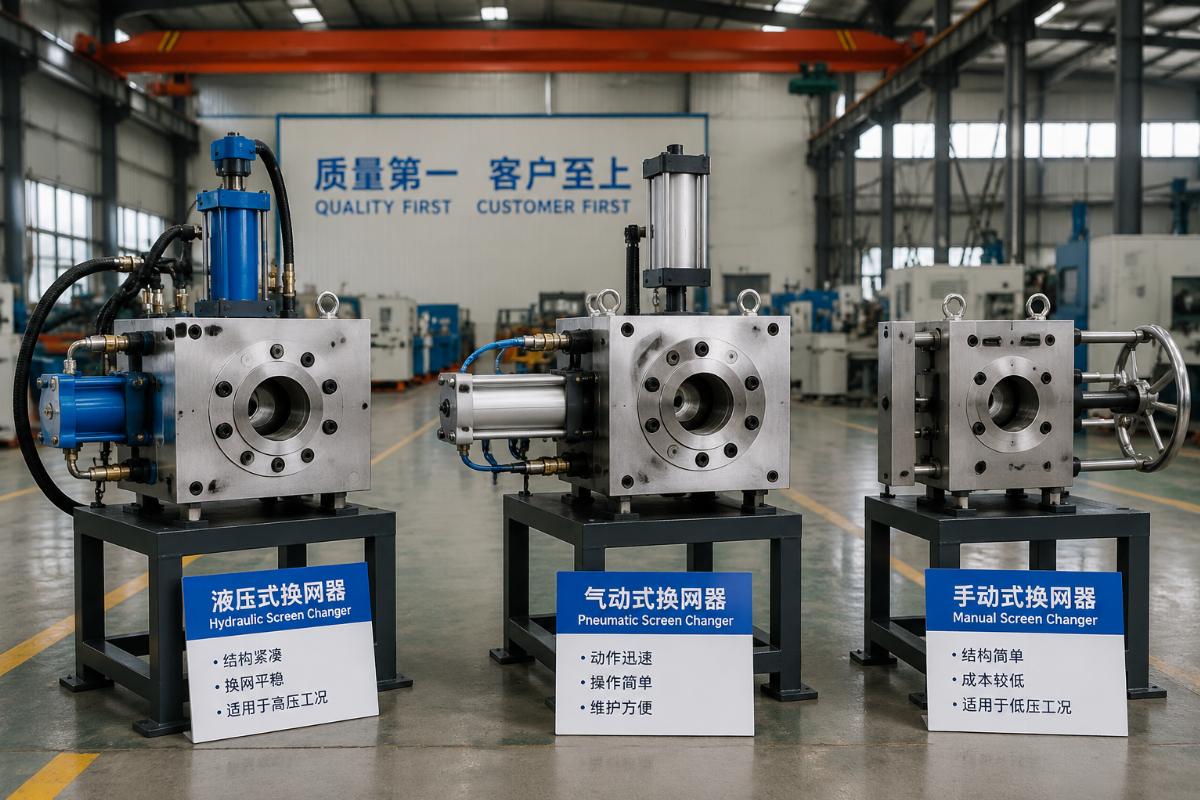
| Screen Changer Type | Common Misaligned Matching | Recommended Output Range Matching |
|---|---|---|
| Manual | Picked for lines running above 600kg/h to cut upfront cost | 0 to 500kg/h, low-impurity raw material production lines [NEED_CITE: Optimized structural manual screen changers support stable production for 500kg/h low impurity lines] |
| Hydraulic | Selected for lines below 400kg/h to add perceived production value | 500 to 1500kg/h, mid-volume continuous production lines |
| Continuous | Avoided for lines above 1500kg/h due to higher initial investment | 1500kg/h and above, high-volume 24/7 operation lines |
We supported a PVC pipe manufacturer based in Southeast Asia last year, whose 1000kg/h production line previously used a traditional manual screen changer that required 15 to 20 minutes of downtime per screen replacement. After upgrading to a matched hydraulic screen changer, the 24-hour continuous operation stability rate reached over 98%, and downtime caused by screen changes dropped by 75% compared to the original setup, with no additional labor input required for the replacement process.
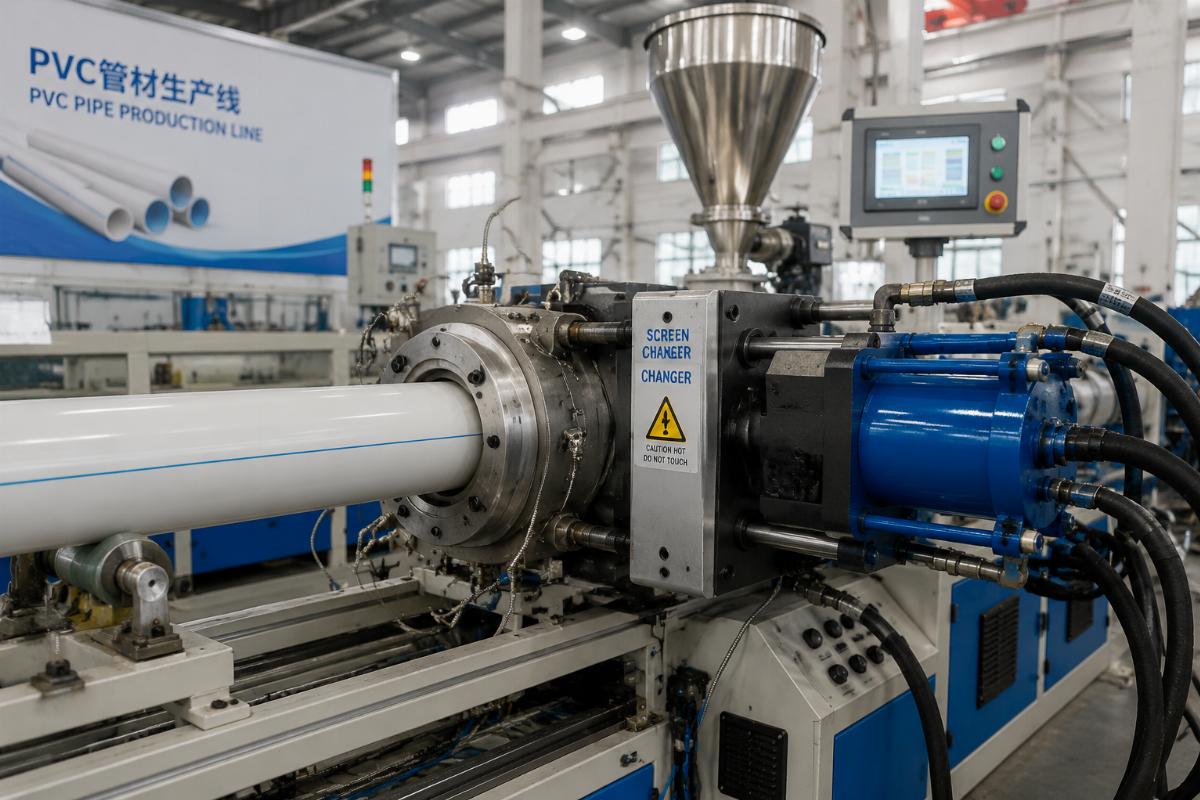
- Output Verification – Confirm the actual stable hourly output of your line, not the maximum rated output listed on equipment parameter sheets, before locking in your screen changer type.
- Operation Cycle Check – Prioritize units that support at least 72 hours of continuous non-stop operation if your line runs on a 3-shift daily schedule.
- Downtime Calculation – Estimate annual downtime cost from screen changes for your current setup to quantify the actual return on investment of an upgrade.
How do raw material characteristics affect screen changer selection?
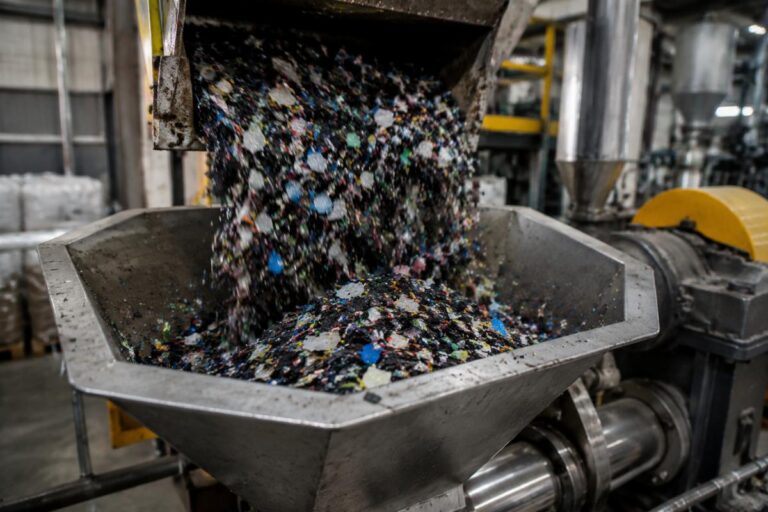
Raw material impurity rate directly determines screen replacement frequency and required pressure stability, not just the production output of your line. Teams processing mixed waste plastic or recycled raw materials often face unexpected component wear and material waste even when they have a correctly output-matched screen changer.
For a 2-ton daily processing capacity plastic recycling granulation line handling mixed waste plastic from Central America, we installed a custom-matched continuous screen changer that reduced material loss during screen change to less than 2%, and the service cycle of core filter components reached 12 months, cutting annual component replacement cost by 62% compared to the original generic unit used by the facility. Another case for a 3000mm width multi-layer co-extrusion food packaging film line required strict control of product clarity fluctuation, and the matched precision screen changer kept clarity variation within 0.5%, fully meeting food-grade packaging material quality requirements.
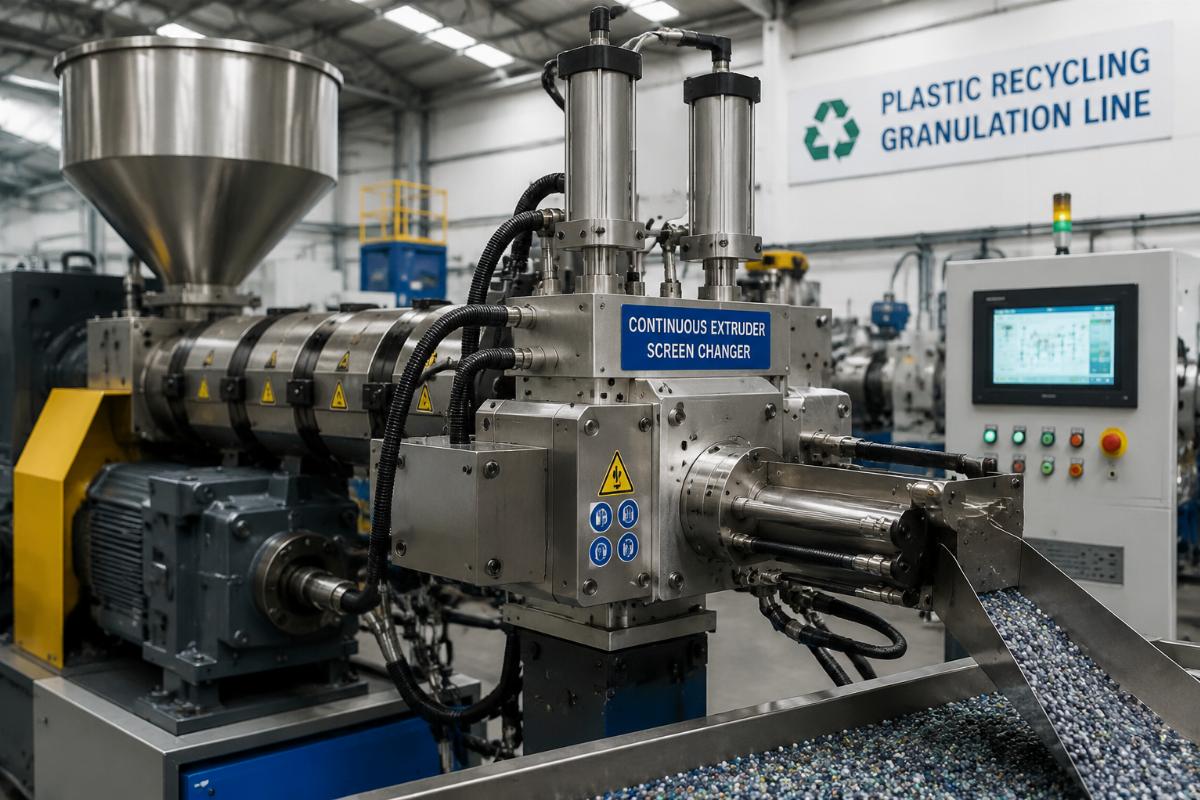
- Impurity Testing – Run a 72-hour raw material impurity test for recycled feedstock to get an accurate baseline before selecting screen changer specification.
- Component Material Confirmation – Choose wear-resistant core filter components if your raw material contains more than 3% hard impurities such as dust or metal particles.
- Pressure Fluctuation Requirement – Keep required pressure fluctuation below 0.2MPa for food-grade or high-clarity product production lines.
Can cost-effective Chinese screen changer solutions replace European brand alternatives?
High-quality Chinese screen changers have reached equivalent core performance to leading European brands, with 30% to 50% lower total cost of ownership over 3 years. A common misconception that lower upfront purchase price equals higher cost performance often leads teams to either overspend on European units that deliver no additional value for their scenario, or choose low-cost generic units that cause far higher long-term losses. MT Extrusion, as a Chinese extrusion equipment manufacturer with 20 years of experience, provides matching screen changers for its full series of extruder production lines, and can provide supporting components and configuration suggestions for various production scenarios.
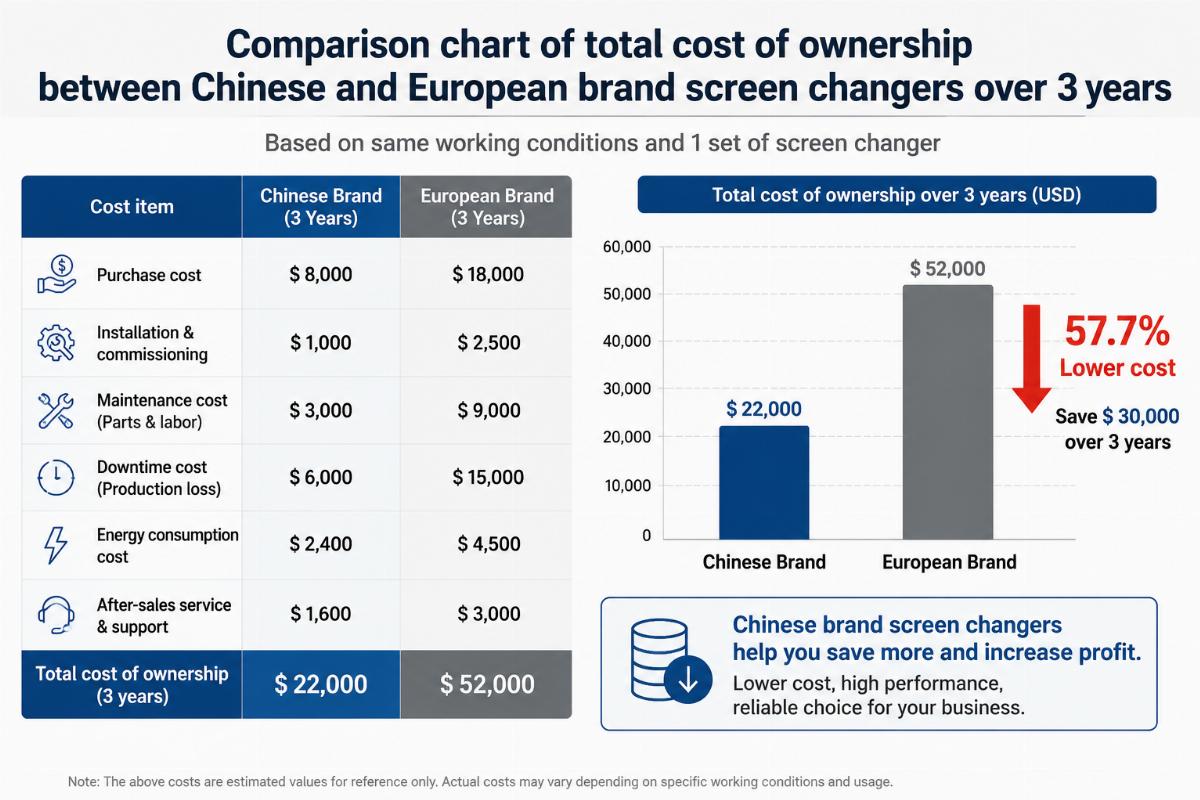
- Warranty Verification – Confirm the unit comes with at least a 2-year free warranty, which is a standard offering from qualified Chinese suppliers [NEED_CITE: Qualified Chinese screen changer suppliers provide 2-year free warranty for core components].
- After-sales Support Confirmation – Prioritize suppliers that offer overseas on-site installation support and spare parts stock in your regional market.
- Case Reference Check – Request actual operation case data for the same production scenario and output level as your own line before making the final purchase.
What common pitfalls to avoid when matching screen changers?
Most common screen changer failures stem from pre-purchase matching oversights, not product quality issues. Pressure instability during screen change and material leakage during replacement are the two most frequent problems that can be fully avoided with proper pre-configuration checks.
We supported a plastic profile manufacturer in Africa last quarter, who previously faced 3% to 5% product scrap per shift due to pressure fluctuations from a mismatched screen changer, and after adjusting the screen changer specification to match their raw material impurity level, scrap rate dropped to below 0.8% within a week of installation.
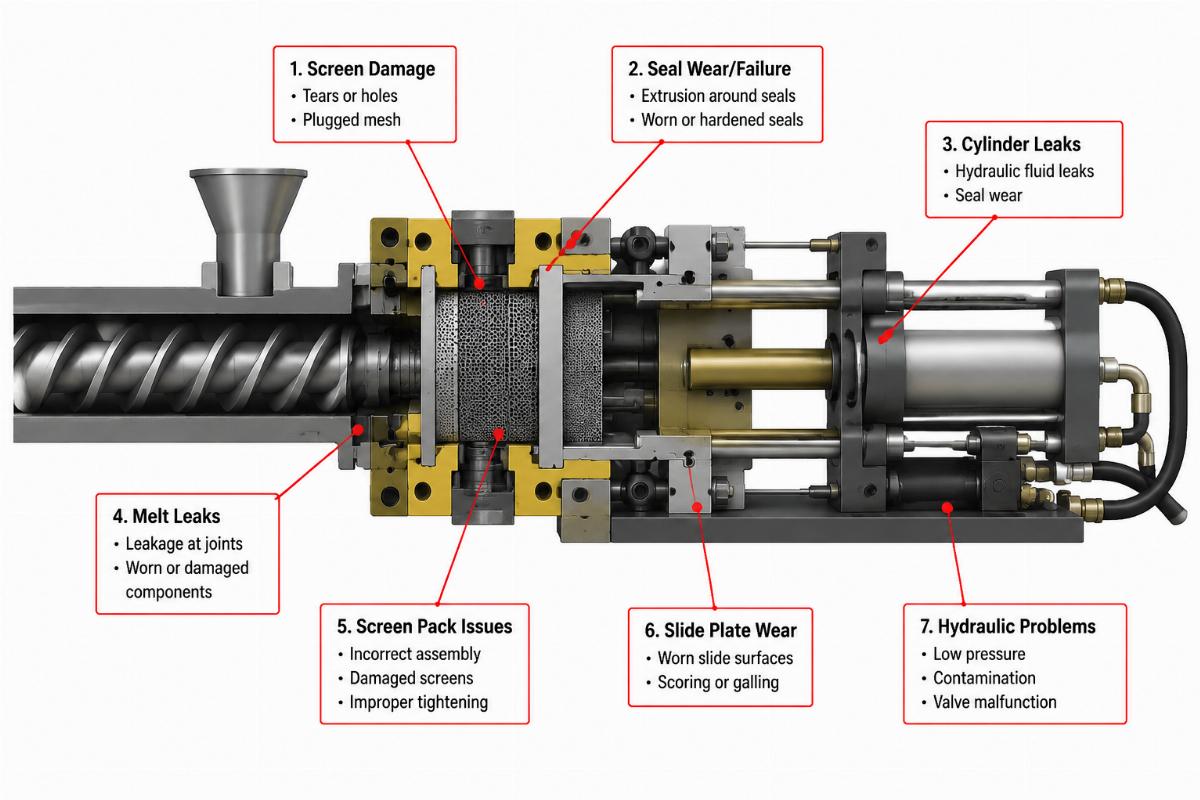
- Pressure Test Before Installation – Run a 2-hour no-load pressure test after installation to confirm fluctuation stays within the specified range.
- Seal Component Check – Verify the seal components are compatible with the raw material you process to avoid long-term leakage.
- Operator Training – Ensure your production team receives standard operation guidance for screen replacement to avoid unnecessary damage from incorrect operation.
Conclusion
Correct screen changer selection relies on matching to production output and raw material characteristics, not upfront purchase price or brand preference. The three core types of manual, hydraulic and continuous screen changers each have clear applicable scenarios, and proper matching can deliver significant gains in production stability, material waste reduction and long-term cost control. Qualified Chinese screen changer solutions can fully meet the core performance requirements of most global extrusion production lines, with clear advantages in total cost of ownership and after-sales support.