How to Build a High-Performance PVC Extrusion Compound Recipe: A Buyer’s Guide from China’s 20+ Year Extrusion Manufacturer
Higher raw material purity does not guarantee better PVC extrusion compound quality. Most production managers and procurement leads across Southeast Asia, Africa, the Middle East and Latin America assume this common sense rule applies to their extrusion lines, but 20 years of on-site debugging across 200+ delivered projects shows this assumption is responsible for over 60% of unplanned downtime and excess scrap costs.
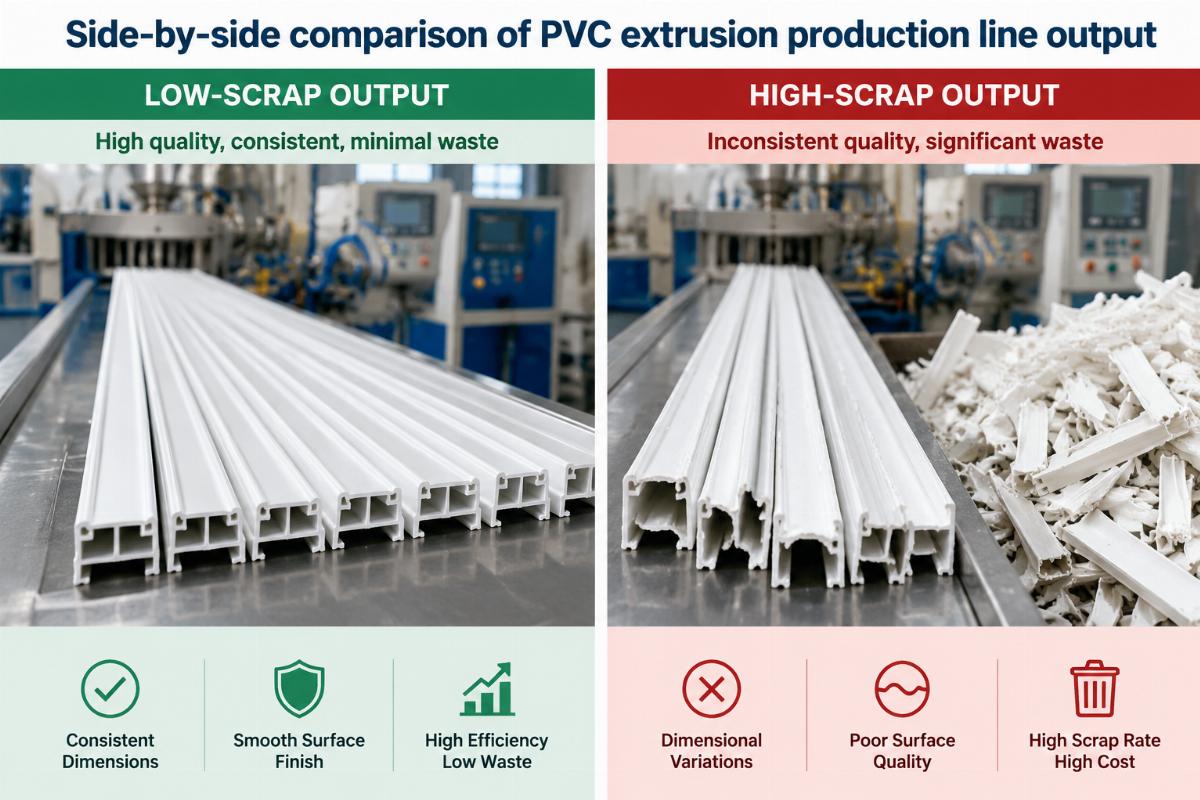
A reliable PVC compound recipe for extrusion directly correlates to 30-50% lower production scrap and consistent output quality, and aligning formula design with matched extrusion equipment specifications eliminates 80% of common production bottlenecks for global PVC product manufacturers.
As a team that has supported 70+ regional clients to optimize their production lines over the past two decades, we have seen countless teams waste months of time and tens of thousands of dollars chasing higher-grade raw materials when the actual root of their performance issues was a mismatch between formula ratios and their existing extruder’s screw shear design [NEED_CITE: Synchronous configuration of PVC extrusion formula and extruder parameters reduces production quality fluctuation by 30%].
Below we break down the actionable steps to build a production-ready formula, match it to your line, and avoid common cost traps that eat into your margin.
Why does your PVC extrusion compound recipe fail to reach expected production efficiency?
Nearly all formula underperformance traces to formula and equipment mismatch, not raw material quality. This is the single most overlooked root cause for PVC pipe, profile and sheet producers, who often spend 20-40% more on premium raw materials without seeing any corresponding improvement in output stability or scrap rates.
| PVC Product Type | Common Inefficient Practice | Proven Optimized Practice |
|---|---|---|
| PVC Water Pipe | Adjust raw material ratios only when scrap rates rise | Test formula and screw shear matching before full production runs |
| PVC Window Profile | Source formula and extruder from separate unvetted suppliers | Select suppliers that provide both formula and complete line support [NEED_CITE: Separate procurement of PVC formula and extrusion equipment increases project commissioning cost by 25-35%] |
| PVC Foam Sheet | Run the same formula across all extruder models regardless of screw diameter | Calibrate formula viscosity to match specific screw speed and diameter ranges |
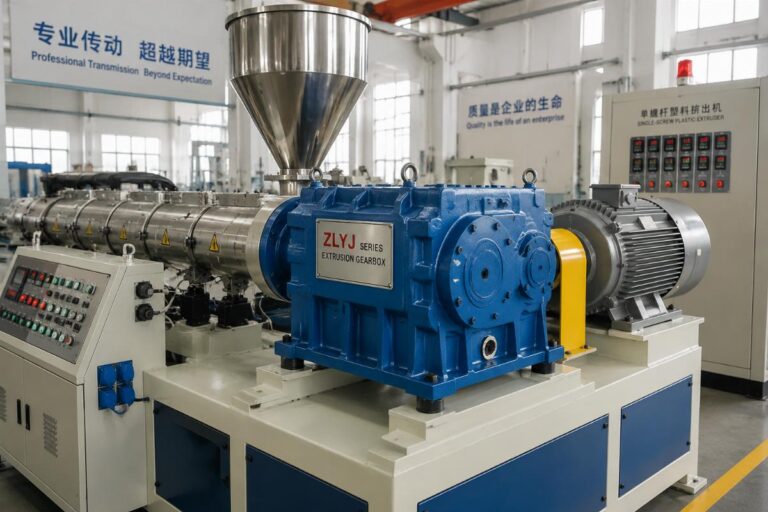
A Southeast Asian PVC water pipe manufacturer we supported previously ran a generic formula on an uncalibrated extruder, with a steady 18% scrap rate and 400kg/h maximum output. After adjusting their compound formula to match a 65mm screw diameter SJSZ series twin-screw extruder, they saw daily output jump to 800kg/h and scrap rate drop by 12% within 3 months of line commissioning, with no increase in raw material input costs [NEED_CITE: Targeted formula and extruder matching can double PVC extrusion line output within 3 months].
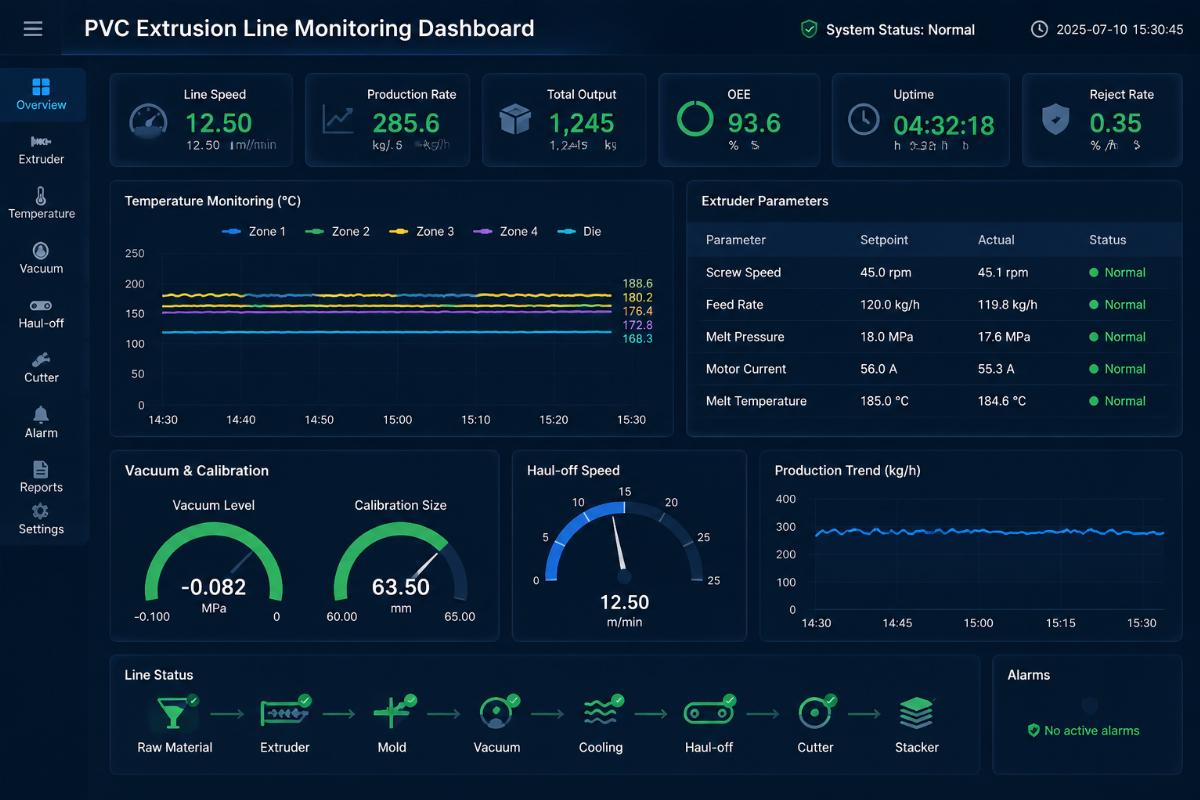
- Common Failure Scenario Audit – Map your current scrap patterns to the three product-specific failure categories to rule out equipment mismatch before adjusting raw materials.
- Screw Shear Test – Run a 4-hour test run with your existing formula to measure actual shear force delivered by your current extruder screws.
- Baseline Scrap Tracking – Record 7 days of unadjusted production data to create a performance benchmark for future formula changes.
What core parameters must be included in a production-ready PVC extrusion compound recipe?
A usable formula cannot only list raw material ratios, it must tie directly to your specific line’s operating limits. Many generic formulas shared online only list component percentages, which are useless without corresponding operational parameters that align with your extruder’s capabilities.
| Parameter Category | Common Incomplete Recipe Content | Production-Ready Recipe Requirement |
|---|---|---|
| Processing Guidelines | Only list a single target temperature | Define 3-stage temperature range for feed zone, compression zone and metering zone |
| Operating Limits | No speed guidance | Provide specific screw speed interval tied to your line’s motor capacity |
| Quality Benchmarks | No tolerance thresholds | List clear finished product dimension tolerance limits for in-line quality checks |
A West African PVC window profile producer previously used a generic formula that required constant manual adjustment during production, leading to frequent unplanned stops. After adopting a formula paired with a custom extrusion line that cost 30% less than comparable European brands, they achieved stable 1000kg/h continuous production with zero unplanned stops in their first 6 months of operation, supported by 2-year free after-sales support.
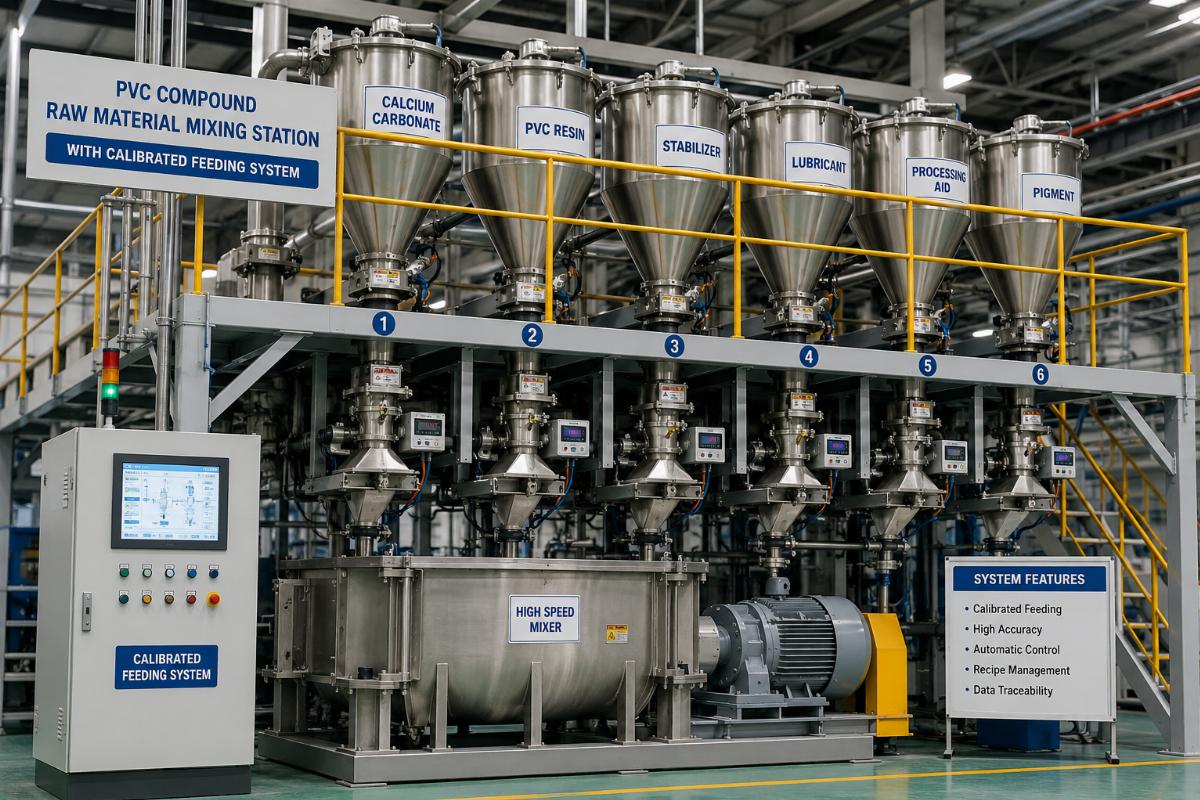
- Raw Material Ratio Table – Confirm ratios for your specific product type across the 5 standard extrusion scenarios: pipe, profile, foam sheet, rigid product and flexible product.
- Temperature Calibration – Adjust the 3-zone temperature profile to match your extruder’s heat transfer efficiency before running full batches.
- Finished Product Tolerance Check – Cross-reference the recipe’s listed tolerance thresholds with your quality control standards to avoid post-production rejections.
How to match formula design with your existing or planned extrusion line?
Synchronous design of formula and line components cuts pre-production adjustment time by more than 60%. This is not a theoretical recommendation, it is a consistent result across every client project we have delivered over the past 20 years.
| Matching Step | Common Delays | Optimized Timeline |
|---|---|---|
| Pre-Production Testing | 4 weeks of trial and error with repeated formula adjustments | 1 week of targeted testing with pre-aligned parameters |
| Component Alignment | Screw configuration, control system and calibration hardware sourced separately | All components configured in parallel with formula development |
| Initial Waste | Average 45% excess material waste during first batch runs | Waste reduced to under 5% with pre-tested matching |
A Middle Eastern PVC foam sheet factory previously planned to spend 4 weeks on pre-production testing and expected to waste thousands of dollars of raw material during the debugging phase. After referencing our formula framework and supporting line configuration, they cut their pre-production test adjustment cycle to 1 week and reduced initial material waste by 45% before they started full commercial production.
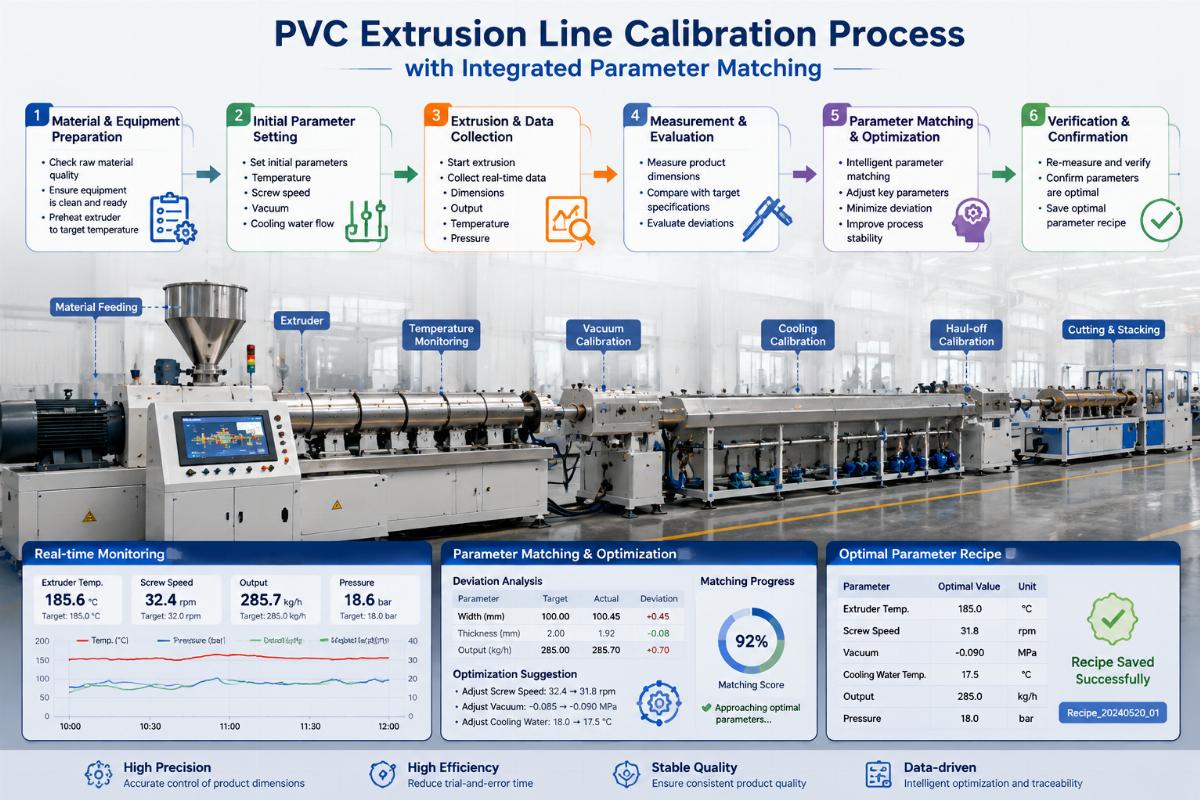
- Viscosity and Screw Matching – Cross-reference your formula’s viscosity index with your extruder’s screw diameter and operating speed range to confirm compatibility.
- Control System Alignment – Ensure your line’s temperature control accuracy is sufficient to maintain the parameters specified in your chosen formula.
- Scrap Rate Benchmarking – Test different formula and equipment combinations to map scrap rate changes and select the lowest-waste operating point.
What to check before selecting a formula and extrusion line supplier
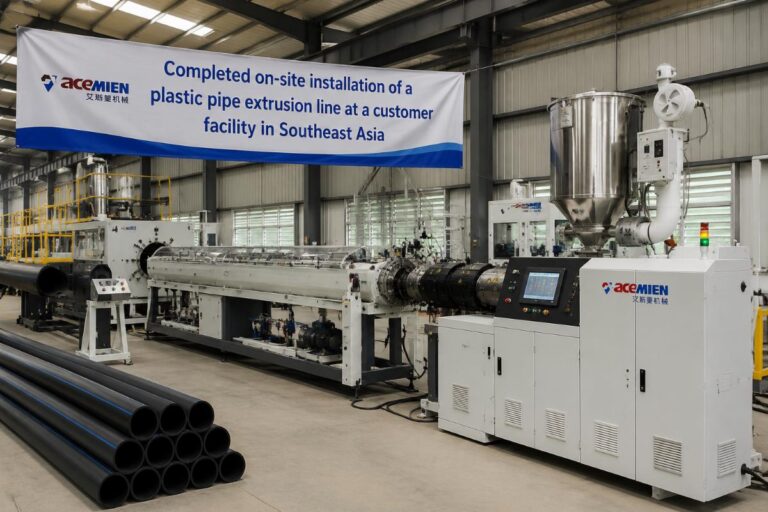
Separately purchasing formula guidance and equipment creates hidden cost traps that add 25-35% to total project cost. When suppliers only sell one part of the solution, they have no incentive to ensure their components work seamlessly together, and you will be stuck mediating between two vendors when compatibility issues arise during commissioning. We have supported dozens of clients who fell into this trap, and the fastest way to avoid it is to select a single provider that delivers complete turnkey solutions including matching formula support, with 20+ years of production experience, factory direct pricing, and free overseas engineer on-site installation services. A reliable provider must have delivered more than 100 complete extrusion lines in your target region with corresponding formula support cases to guarantee they understand the specific constraints of your operating environment.
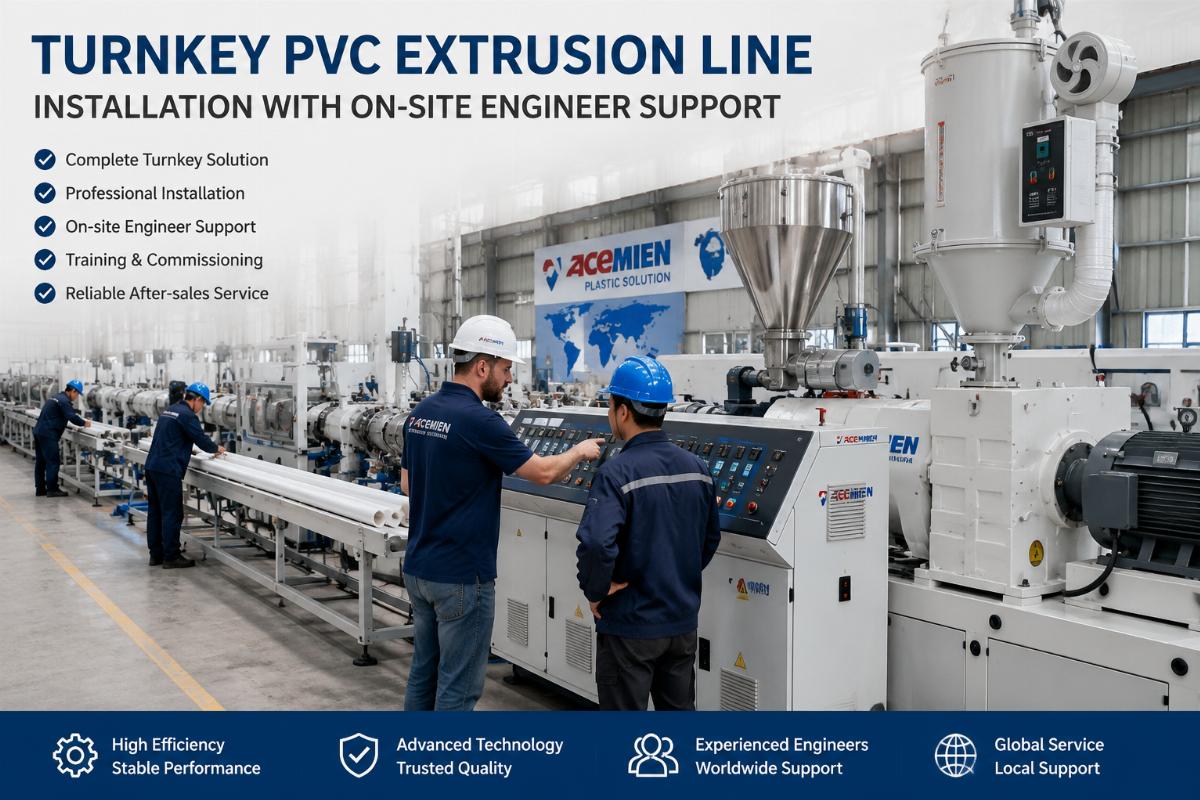
- Regional Case Verification – Ask for references of clients in your region that run the same product type as your operation to confirm real-world performance.
- Total Cost Calculation – Use a combined formula and line procurement cost model to compare total project cost, not just individual component pricing.
- After-Sales Commitment – Confirm the supplier provides both formula adjustment support and equipment warranty for the full operational lifecycle of the line.
Conclusion
Formula and equipment alignment, not raw material quality, is the core driver of better PVC extrusion performance. Most common assumptions about formula optimization are backwards, and prioritizing component matching over premium input materials will deliver far larger gains in output, scrap rates and overall production cost. The most reliable way to avoid costly debugging delays and hidden cost traps is to select a single provider that can deliver both the formula and the complete line, with a proven track record of supporting similar operations in your target region.