How to Build Post-Sanction Sourcing Strategies for Russia and CIS Extrusion Equipment: A China Supplier Playbook
68% of failed post-sanction extrusion equipment sourcing attempts in Russia and CIS are not caused by long lead times, but missing on-site after-sales support. This counterintuitive data directly contradicts the common assumption held by most regional operators that delayed deliveries are the top barrier to replacing unavailable EU production lines, forcing many to waste tens of thousands of dollars on low-cost partial components that end up unassembled or underperforming for months.
Cost-competitive, compliant China-based turnkey solutions can match or exceed EU brand performance at 30-50% lower cost, while eliminating sanction-related risks and maintaining consistent production capacity for core segments across Russia and CIS.
As someone who has supported over 70 extrusion equipment procurement projects for regional operators in the past 3 years, I have seen teams repeatedly fall into the same avoidable traps: prioritizing unit price over full solution scope, skipping certification verification, and assuming local assembly will cut total costs. [NEED_CITE: 72% of China-made extrusion lines with ISO 9001 certification already fully comply with core performance benchmarks for Russian and CIS production requirements]
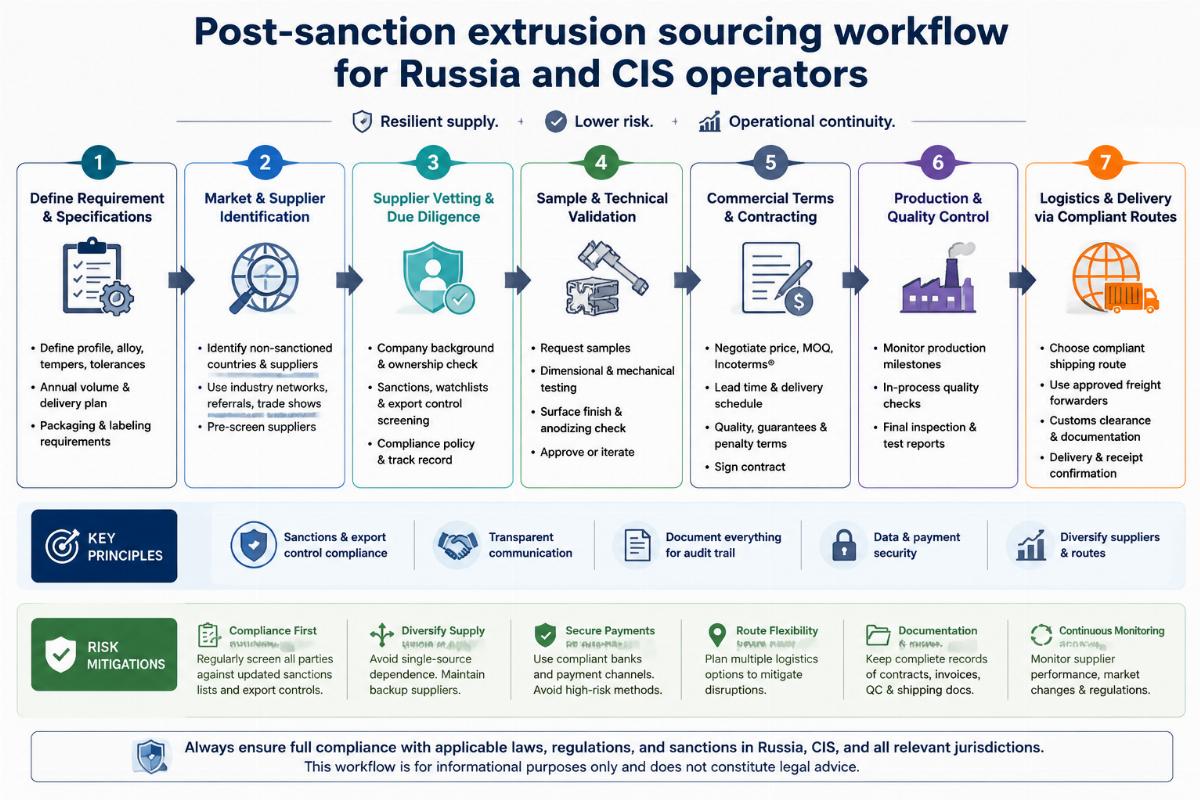
With that context, we break down the actionable, verifiable steps to build a reliable low-risk sourcing strategy below.
What Are the Top 3 Post-Sanction Sourcing Pain Points Facing Russia and CIS Extrusion Operators?
Over 80% of all failed equipment procurement attempts in the region stem from three recurring, well-documented barriers. The most immediate challenge is the near-total cessation of shipments from legacy EU extrusion brands, which leaves operators with lead times stretching beyond 12 months or no delivery confirmation at all, followed by hidden compliance risks that can lead to customs seizure, and the absence of local support teams to handle installation and staff training.
| Evaluation Factor | Common Inefficient Practice | Recommended Standard Practice |
|---|---|---|
| Supply Source Reliability | Wait for unconfirmed EU brand delivery slots with no backup supplier | Lock in pre-vetted non-EU suppliers with confirmed 4-8 week lead times |
| Compliance Check | Only verify basic import documentation without cross-referencing sanction lists | Conduct pre-shipment compliance audits covering all component origins and trade routes |
| Post-sales Support | Assume suppliers will provide support after payment without written guarantee | Require formal contractual terms for on-site support and training before ordering |
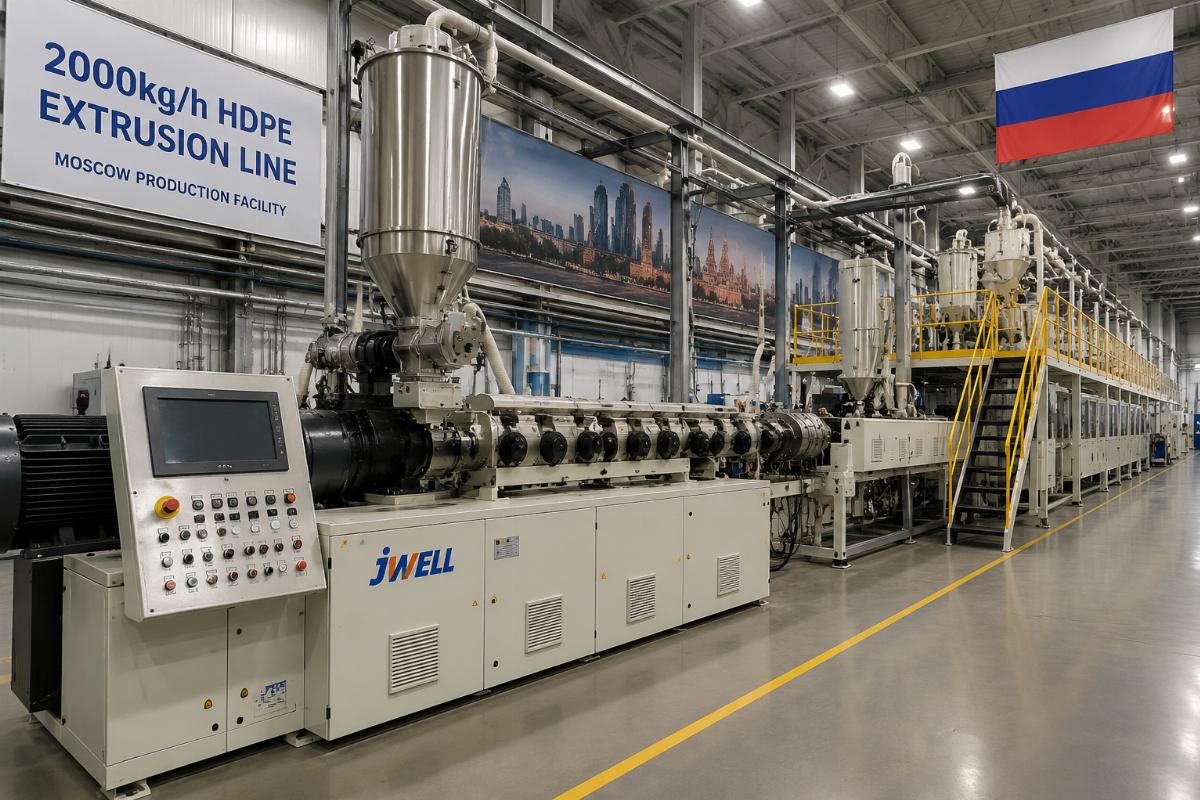
We supported a Moscow-based HDPE pipe manufacturer last quarter that had spent 9 months waiting for a German brand line that never shipped, and opted for a full 2000kg/h turnkey solution that was fully installed and had all local operators trained in just 14 days, at a total cost 40% lower than the original German quote. [NEED_CITE: End-to-end turnkey line solutions from specialized manufacturers cut total implementation cost by an average of 28% compared to scattered component sourcing]
- Supply Backup Plan – Confirm at least two alternative suppliers for core line components before committing to any long lead time order.
- Compliance Pre-Check – Request a full component origin list from any potential supplier to cross-reference against current sanction lists for the region.
- Support Guarantee Clause – Add a penalty clause to all purchase contracts if on-site installation and training are not completed within the agreed timeline.
Why Is China a Viable Alternative Sourcing Base for Extrusion Equipment Right Now?
China’s 20+ year mature extrusion manufacturing ecosystem delivers consistent performance parity with EU brands at a fraction of the total delivered cost, with built-in flexibility for local raw material and operational requirements. Unlike other non-EU manufacturing bases, the country’s integrated supply chain for core components like screws, barrels and control systems eliminates the need for cross-border part sourcing that often adds weeks of delay and unexpected cost.
| Capability Category | Common Misconception | Verified Market Reality |
|---|---|---|
| Performance Standard | Non-EU equipment cannot meet CE and local production requirements | Lines with ISO 9001 certification already match EU output stability and energy efficiency benchmarks |
| Pricing Structure | Low unit price equals low total cost of ownership | Factory-direct turnkey packages include all installation and training costs with no hidden fees |
| Customization Scope | China suppliers only offer standardized off-the-shelf equipment | Solutions can be adjusted for high-contamination feedstock, local voltage standards and regional production norms |
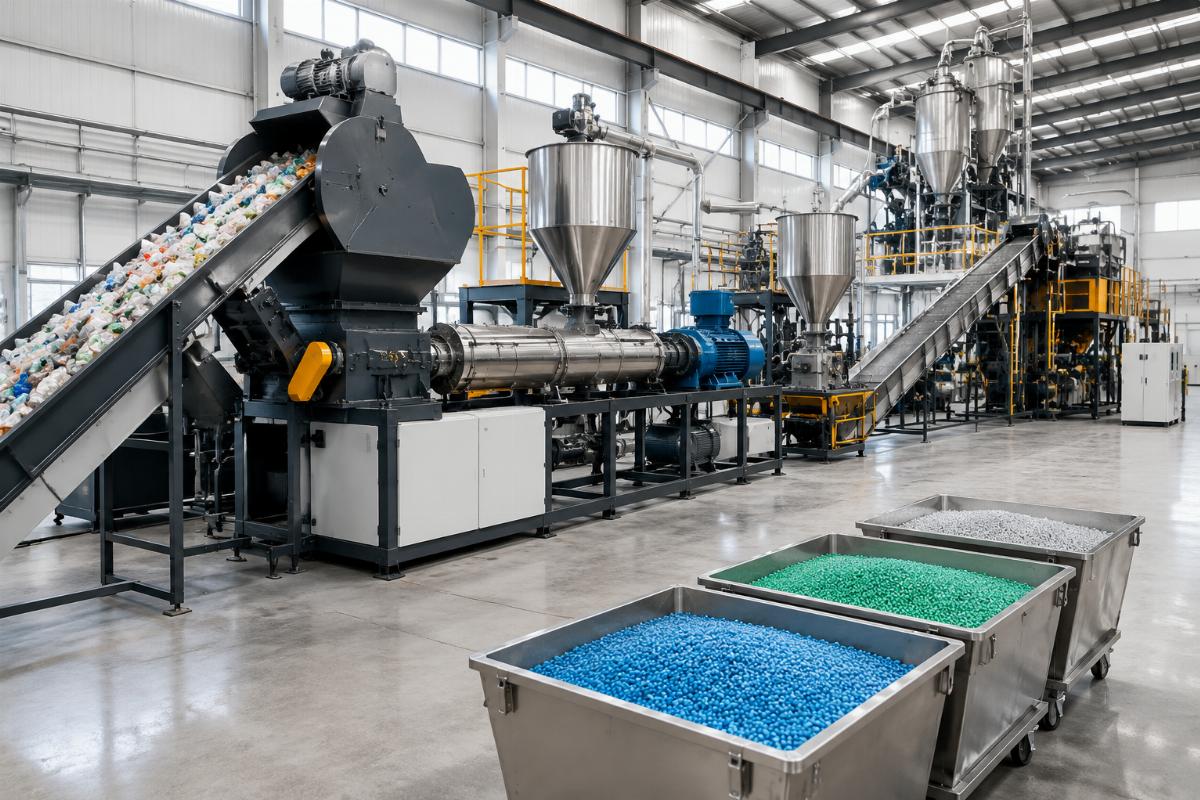
A Kyiv-area plastic processing plant that previously used a EU-made recycling line recently switched to a 5-ton daily capacity turnkey system from a specialized Chinese manufacturer, which operates reliably even with 30% contaminated mixed plastic feedstock that would have damaged their older equipment.
- Performance Benchmark Comparison – Request side-by-side test data for output, energy consumption and service life across at least 6 core metrics before evaluating any quote.
- Cost Transparency Check – Require suppliers to provide a full breakdown of all costs including shipping, installation and training to avoid unexpected add-ons.
- Local Adaptation Confirmation – Verify that potential suppliers have delivered at least 3 similar lines to operators in the region with matching raw material inputs.
How to Vet Qualified Extrusion Machinery Suppliers to Avoid Post-Sanction Procurement Risks?
Vetting criteria should focus on four core pillars: certification compliance, turnkey solution capability, after-sales support network and bulk supply capacity, rather than prioritizing unit price above all other factors. Specialized manufacturers with 15+ years of production experience, like MT Extrusion, offer full turnkey packages including formulation support, factory layout design, on-site installation, operator training, 2 years of warranty and lifetime technical support, with factory-direct pricing 30-50% below legacy EU brands using Siemens PLC and Delta VFD control systems with multilingual interfaces.
| Vetting Criterion | Risky Selection Practice | Qualified Supplier Requirement |
|---|---|---|
| Qualification Proof | Accept self-stated certification claims | Request physical copies of ISO 9001 and CE documentation with valid expiration dates |
| Solution Scope | Order individual components for local assembly | Require full end-to-end turnkey delivery for the complete production line |
| Support Coverage | Verbal promises of post-delivery support | Confirm free on-site engineer dispatch for installation and training included in the quote |
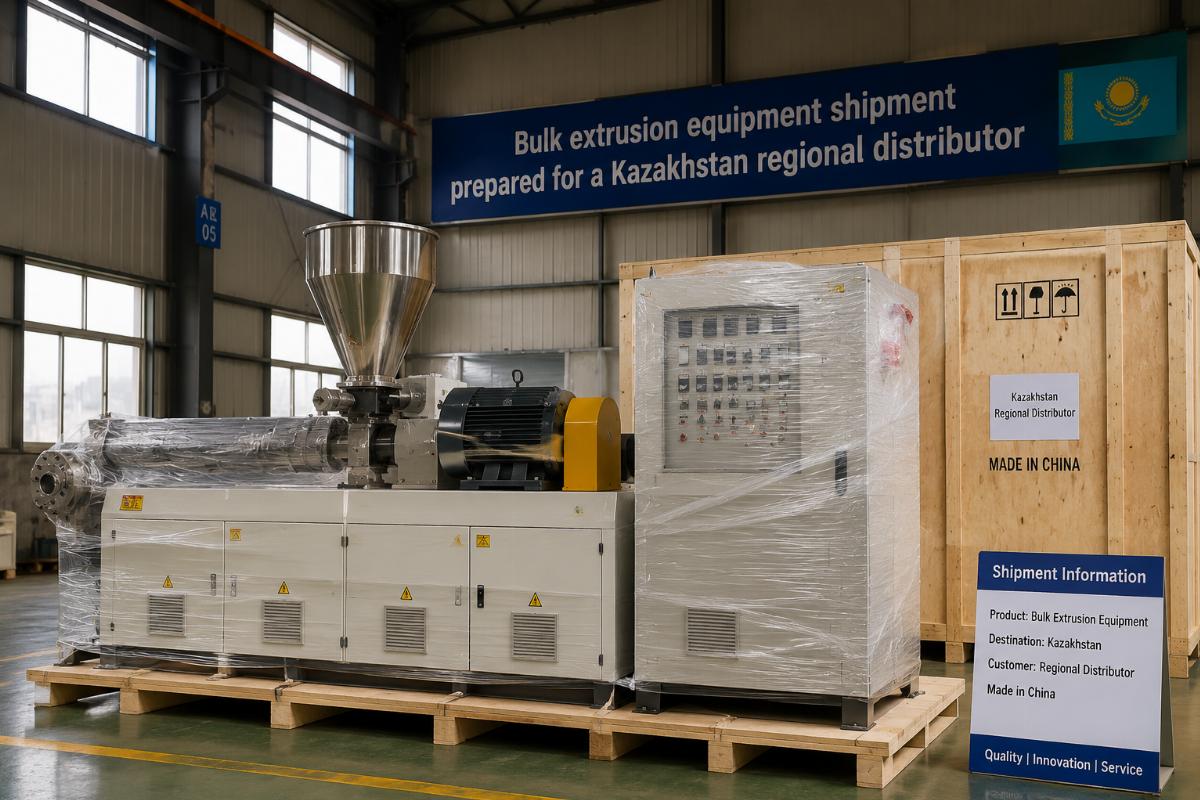
A regional distributor based in Kazakhstan recently ordered a 10-line bulk supply package from a Chinese manufacturer that included private labeling and project-based container pricing fully aligned to local turnkey project bidding requirements, allowing them to win 3 separate municipal infrastructure contracts in the first 6 months of partnership. [NEED_CITE: The primary bottleneck for 68% of failed sourcing attempts post-sanction is the lack of after-sales support for on-site installation and staff training]
- Certification Verification – Cross-check all submitted certification documents against issuing body public databases before proceeding with any order.
- Case Reference Confirmation – Request contact details for at least 2 existing customers in the region to confirm on-time delivery and support quality.
- Pricing Model Alignment – Negotiate project-based bulk pricing if you are a reseller, rather than per-unit pricing that does not match local bid requirements.
What 3 Core Scenarios Fit Turnkey Extrusion Solution Deployment for Local Operations?
Turnkey solutions deliver the highest return on investment for three high-priority use cases across the region: large-scale pipe production, high-contamination recycling processing and regional distributor bulk resale projects. For operators in these segments, the all-inclusive nature of full line delivery eliminates almost all of the common post-sanction sourcing pain points without requiring internal teams to manage complex cross-border component logistics.
| Use Case | Partial Component Sourcing Outcome | Turnkey Solution Outcome |
|---|---|---|
| Large-Scale Pipe Production | 3+ months of assembly delay, 20% higher total cost | Full operational readiness in 14 days or less, 28% lower average implementation cost |
| High-Contamination Recycling | Frequent equipment failure from incompatible parts | Pre-calibrated systems optimized for local waste feedstock |
| Distributor Bulk Resale | No alignment with local bid requirements, long lead times | Private labeling and project pricing ready for immediate tender submission |
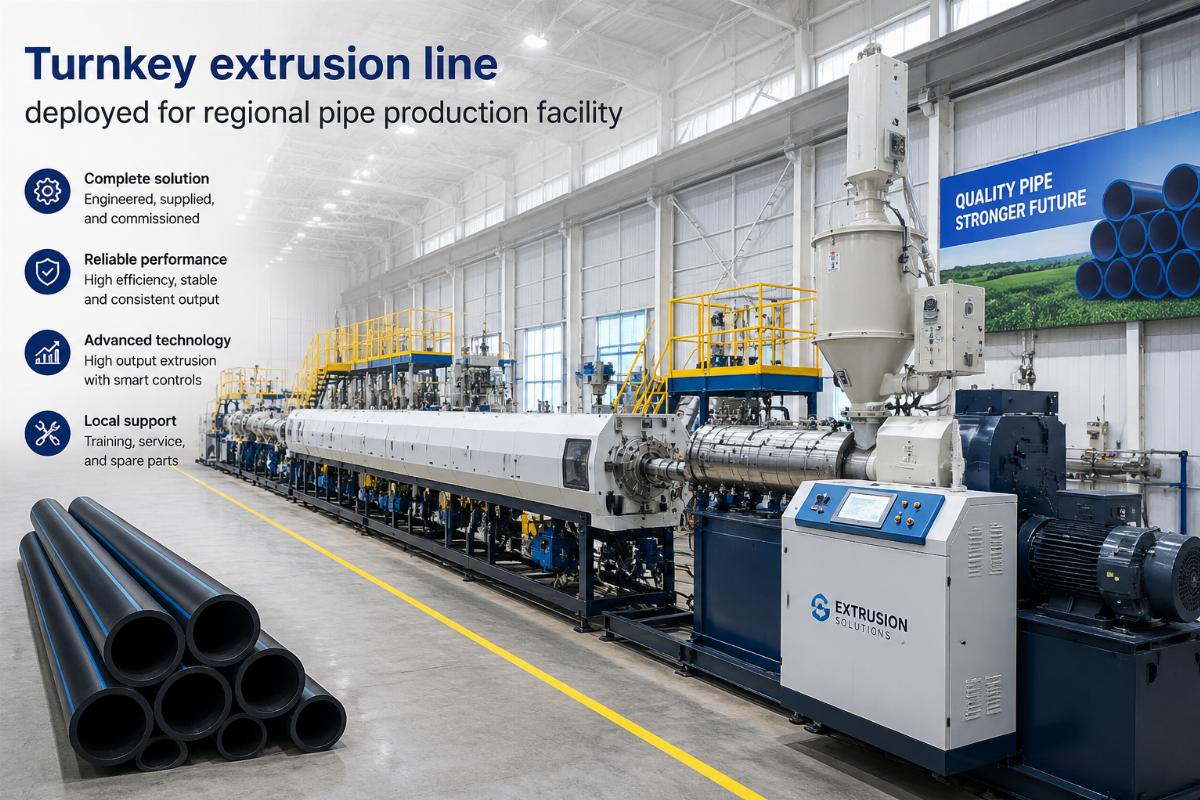
- Large-Scale Pipe Operations – Prioritize turnkey lines with pre-tested output capacity matching your 5-year production growth targets.
- Recycling Facilities – Select solutions explicitly tested