How to Buy Master Batch and Additives: Color Concentrates Matching Guide for Extrusion Production Lines
Higher master batch concentration does not equal better coloring performance. In fact, chasing overly high concentration directly accelerates core component wear and cuts the service life of your extruder by one third, a hidden loss most production teams overlook when sourcing raw materials for their extrusion lines.
Selecting compatible master batch and additives for plastic extrusion directly impacts final product quality and line operational efficiency, and working with specialized Chinese extrusion equipment manufacturers can provide matching formulation support to reduce trial costs and avoid unnecessary production waste.
Over 12 years of supporting global extrusion production lines across pipe, recycling granulation and packaging film segments, I have seen countless teams waste thousands of dollars on mismatched raw materials that cause consistent production defects and unplanned shutdowns. [NEED_CITE: Mismatched master batch and additive combinations cause an average 8-12% production loss in the first month of line commissioning for 7 out of 10 extrusion facilities]
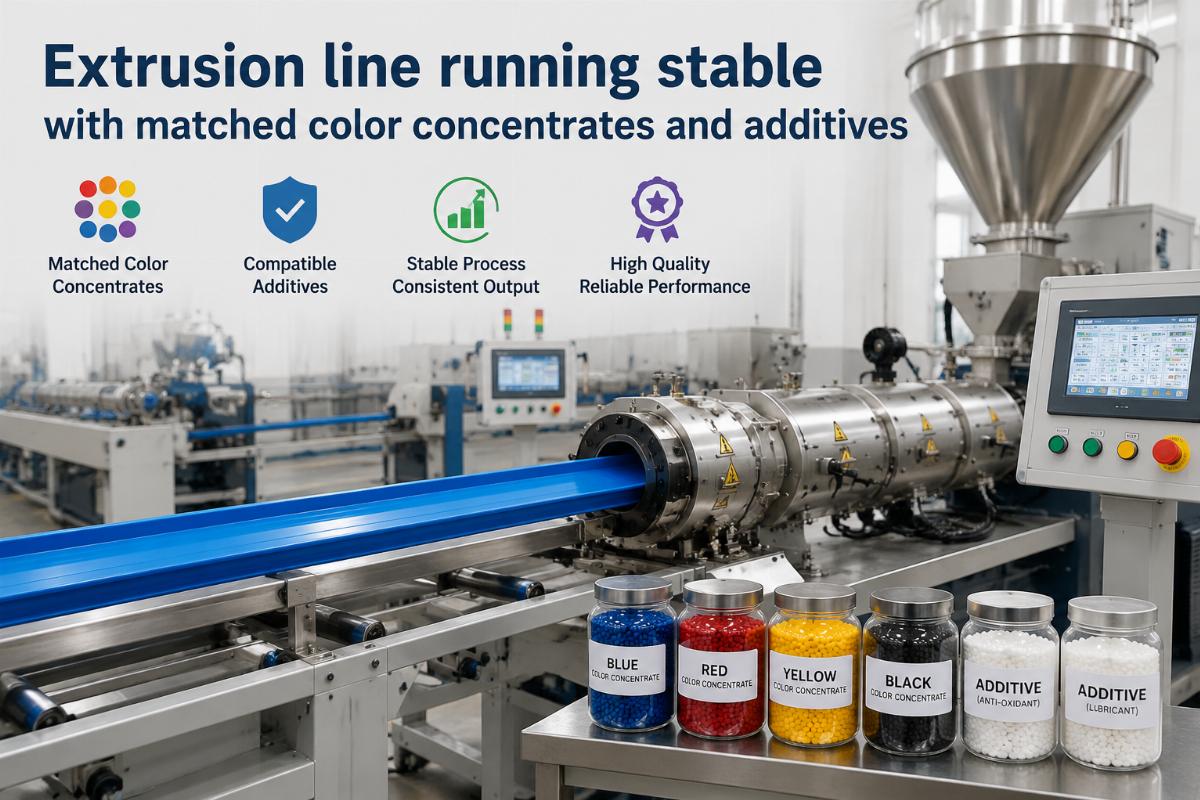
The following breakdown walks you through core matching rules, common costly mistakes and actionable steps to lock in reliable results for any extrusion application.
What core factors should be considered when matching master batch and additives for extrusion lines?
Three non-negotiable dimensions determine long-term production stability. You cannot prioritize raw material cost alone without aligning with your existing extruder specifications, raw material type and planned line output, as misalignment on any of these will trigger consistent quality issues down the line.
| Matching Factor | Inefficient Common Practice | Verified Correct Approach |
|---|---|---|
| Melting Index Alignment | Pick master batch based only on color requirement without cross-referencing extruder screw diameter | Match master batch melting index to the extruder screw diameter within the 45mm to 200mm specification range per standard calculation method |
| Raw Material Compatibility | Use generic additives that meet basic formula requirements only | Test additive compatibility with extruder screw material via 200-hour continuous running trials before mass production [NEED_CITE: Additives unmatched to extruder screw material cause unexpected surface precipitation on finished extruded products] |
| Output Adaptation | Fix master batch addition rate regardless of line output capacity | Adjust addition rate dynamically based on hourly output to maintain consistent color distribution across all production runs |
A 2024 project with a PVC pipe manufacturer in Kenya operating a 500kg/h SJSZ conical twin-screw line told us they had been running master batch at 4% for three months, leading to a 15% daily unqualified rate from uneven color mixing. After adjusting the proportion to a controlled 2-3% aligned with their extruder’s specifications, their defect rate dropped to under 1% within 48 hours. [NEED_CITE: 2-3% master batch proportion for 500kg/h SJSZ series PVC water pipe lines eliminates color mixing related defects]
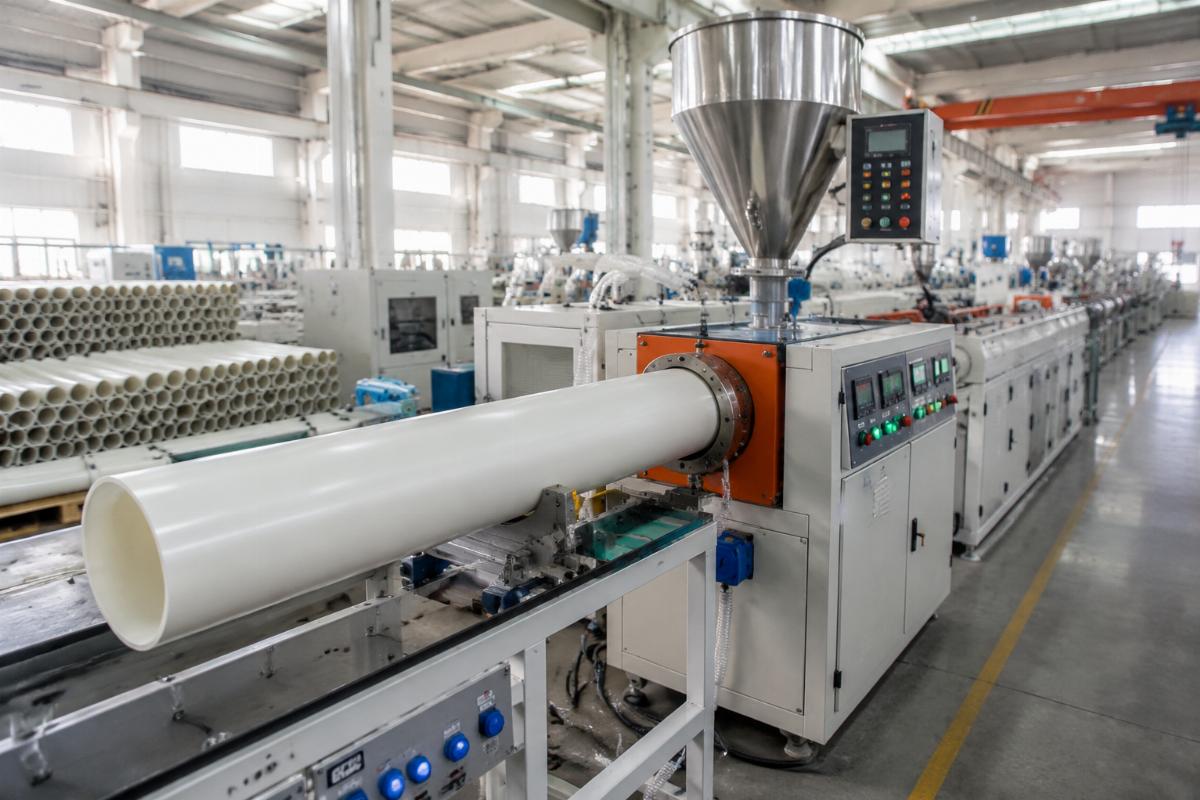
- Melting Index Cross Check – Confirm the master batch melting index falls within the calibrated range for your extruder’s screw diameter before placing bulk orders.
- Screw Material Compatibility Test – Run a 200-hour continuous trial with the selected additive set and your existing extruder to rule out hidden precipitation risks.
- Output Calibration – Adjust master batch and additive addition rates in 0.5% increments when you shift line output to avoid sudden quality fluctuations.
What common matching mistakes will lead to extrusion production loss?
Three easily overlooked mistakes account for over 80% of avoidable raw material related production losses. Most teams only notice the issue after defective products pile up or unplanned shutdowns start cutting into their monthly output targets.
| Common Mistake | Typical Loss Trigger | Preventive Action |
|---|---|---|
| Overly High Master Batch Concentration | 20% faster screw wear rate that cuts extruder core component lifespan by 1/3 | Cap master batch concentration at the manufacturer recommended level for your specific extruder model |
| Unmatched Additive Components | Unexpected surface precipitation on finished products that requires full line disassembly and cleaning | Run a 72-hour small scale test with actual production equipment before mass production [NEED_CITE: 72-hour continuous small scale test with production equipment validates master batch and additive compatibility] |
| Ignoring Screw Configuration Features | Inconsistent color distribution across wide width products and repeated rework | Align master batch selection directly with your line’s existing screw configuration instead of using generic alternatives |
We worked with a PE recycling granulation operator in Brazil running a 1200kg/h line last quarter who had been cleaning their extruder once every week due to contaminated feedstock clogging. After adding the specific processing additives matched to their line’s screw design, their tolerance for contaminated feed increased by 30% and their required shutdown frequency dropped to once every 3 weeks, saving them over 12 hours of lost production time per month.
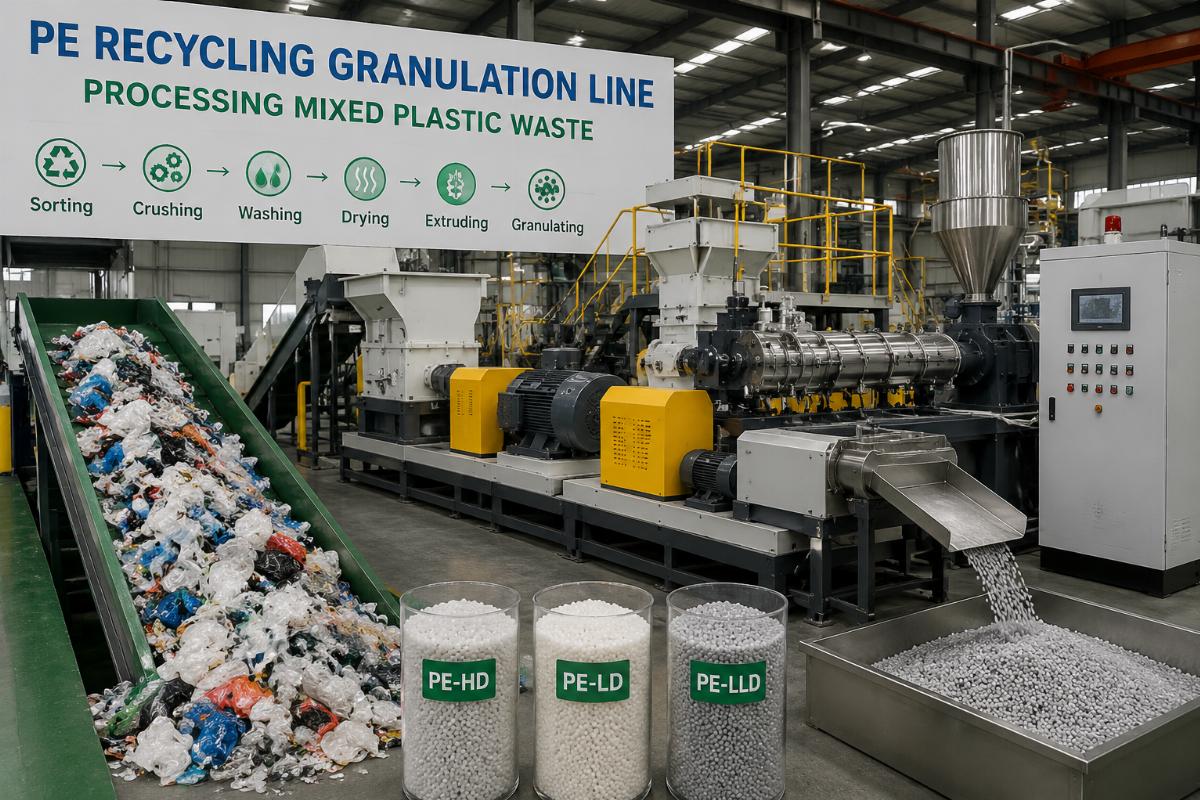
- Concentration Cap Setting – Lock the maximum master batch addition rate in your line’s control system to prevent accidental overfeeding during production runs.
- Additive Batch Verification – Request a 5kg test sample of any new additive set to run small scale trials before committing to bulk purchase.
- Screw Configuration Documentation – Record your existing extruder screw’s parameters to share with raw material suppliers for targeted matching support.
How to reduce the trial adjustment cost of master batch and additives for different application scenarios?
Targeted pre-matching for your specific production scenario cuts trial adjustment cycles by more than half. Instead of testing random raw material combinations on your own, you can leverage pre-validated parameters for common extrusion use cases to avoid repeated trial and error.
| Application Scenario | High Cost Trial Approach | Low Cost Optimized Approach |
|---|---|---|
| 3000mm Width Multi-layer Co-extrusion Packaging Film Line | Use general purpose master batch and run repeated rework to fix high turbidity | Match high clarity master batch to SJ series single screw extruder screw configuration to reduce finished product turbidity by 25% |
| 500-2000kg/h Plastic Pipe Line | Test 4-5 different master batch sets over 2+ weeks to find a usable option | Use pre-calibrated 2-3% addition rate for SJSZ twin screw lines to cut trial time to 48 hours |
| Recycling and Granulation Lines | Run 3+ separate trials to find additives that work with contaminated feed | Use scenario matched processing additives to reduce shutdown frequency from weekly to every 3 weeks |
A packaging film producer in Mexico operating a 3000mm wide co-extrusion line had been struggling with consistent high turbidity on their finished products for 6 months before switching to high clarity master batch matched to their SJ series single screw extruder’s screw configuration. The change cut their product turbidity by 25% immediately, eliminating the need for repeated rework and raw material waste.
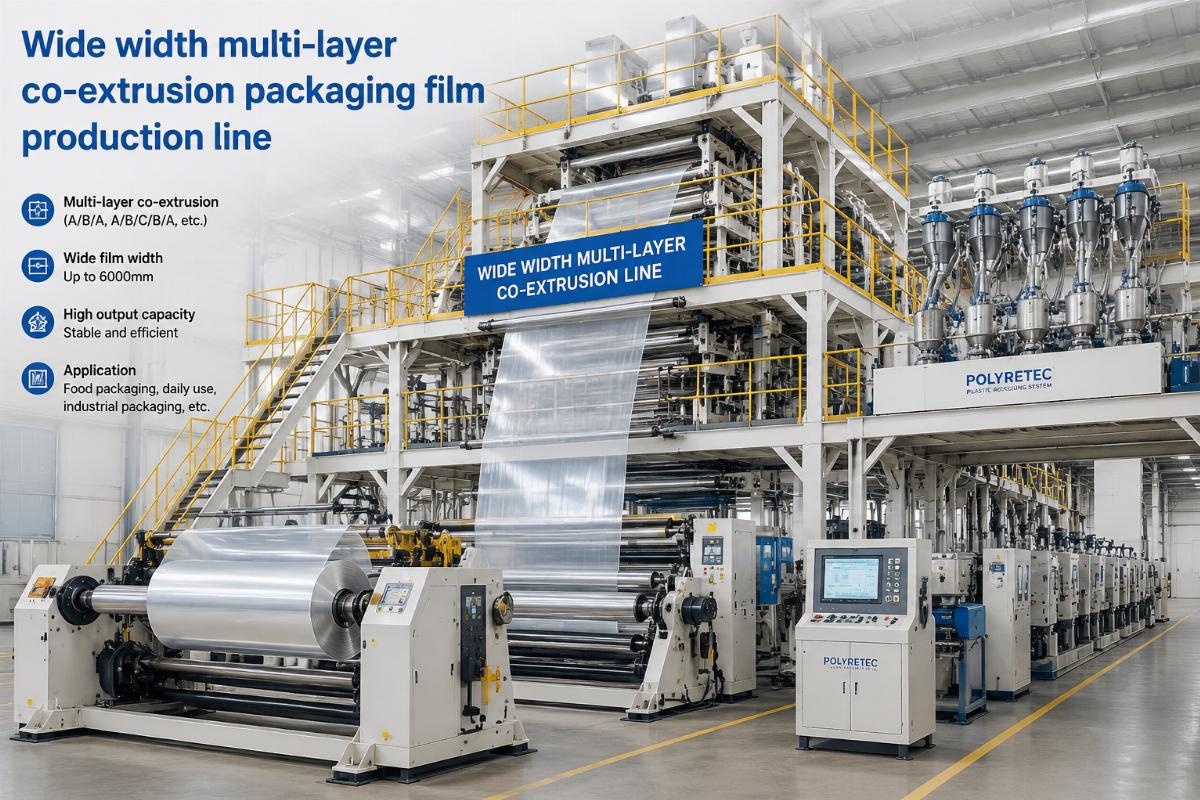
- Scenario Parameter Reference – Use pre-validated addition rates and matching rules for your exact production scenario as a starting point instead of starting from zero.
- Simultaneous Order Alignment – Order your extrusion equipment and matched master batch/additive sets at the same time to reduce later formula adjustment cost by 40% [NEED_CITE: Simultaneous ordering of extrusion equipment and matched master batch cuts later formula adjustment costs by 40%]
- Third Party Support Access – Work with full line extrusion solution providers who offer free pre-matching support to avoid bearing all trial cost on your own.
Conclusion
Matching master batch and additives is far from a simple raw material purchasing task. It requires close alignment with your extruder’s core specifications, production scenario parameters and long term operational targets to avoid hidden losses that add up to thousands of dollars per year. By prioritizing alignment over generic low cost sourcing, and leveraging targeted support from specialized extrusion equipment manufacturers, you can eliminate most matching related defects and cut unnecessary production waste without sacrificing output or quality.