How to Choose a Suitable Vacuum Calibration Tank for Extrusion Lines: A Guide for Global Plastic Equipment Buyers
Most buyers incorrectly assume a larger vacuum calibration tank always delivers better performance. This common misconception has led thousands of plastic production facilities to overspend on unnecessary equipment while seeing no corresponding improvement in product quality or output stability, and in many cases, it even pushes energy costs up by more than 25% due to mismatched system sizing.
A properly sized vacuum calibration tank directly determines the dimensional stability and production efficiency of plastic extrusion lines, and selecting a China-based professional manufacturer can balance cost performance and after-sales support for long-term operation.
Over 12 years of supporting plastic production teams across Southeast Asia, Africa, the Middle East and Latin America, I have seen how a wrong calibration tank choice can derail an entire extrusion line’s ROI within the first 6 months of operation, even when the upstream extruder itself is high-spec and well maintained. [NEED_CITE: Mismatched vacuum calibration tank sizing is responsible for 32% of unplanned downtime in mid-sized plastic extrusion facilities]
This guide breaks down actionable selection rules, common procurement pitfalls and proven matching frameworks to help you pick the right unit for your specific production setup.
Why is the vacuum calibration tank the core link of extrusion line production?
Calibration tank performance directly dictates the final dimensional tolerance, scrap rate and overall throughput of every extruded product. Unlike upstream extruders that only control raw material melting and feeding, the calibration tank is the first point where molten plastic solidifies into its intended shape, so even minor fluctuations in vacuum level or cooling consistency will show up as defects in finished pipes, sheets or profiles.
| Production Factor | Common Misaligned Practice | Proven Optimal Practice |
|---|---|---|
| Vacuum Consistency | Accept ±0.01MPa vacuum fluctuation as standard | Target ±0.002MPa vacuum stability for continuous high-output runs |
| Cooling Uniformity | Use single-point water inlet for all tank sizes | Deploy distributed cooling channels matched to production width |
| Dimensional Control | Tolerate 0.1mm+ thickness deviation across production batches | Keep finished product deviation aligned to material-specific tolerance thresholds |
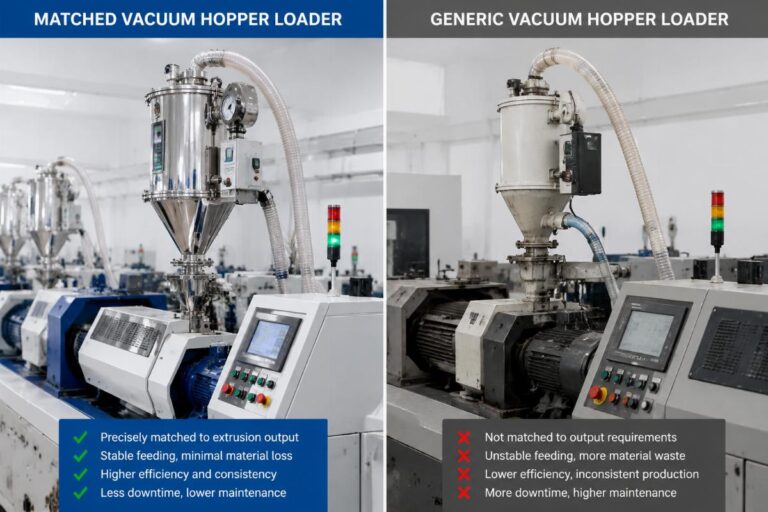
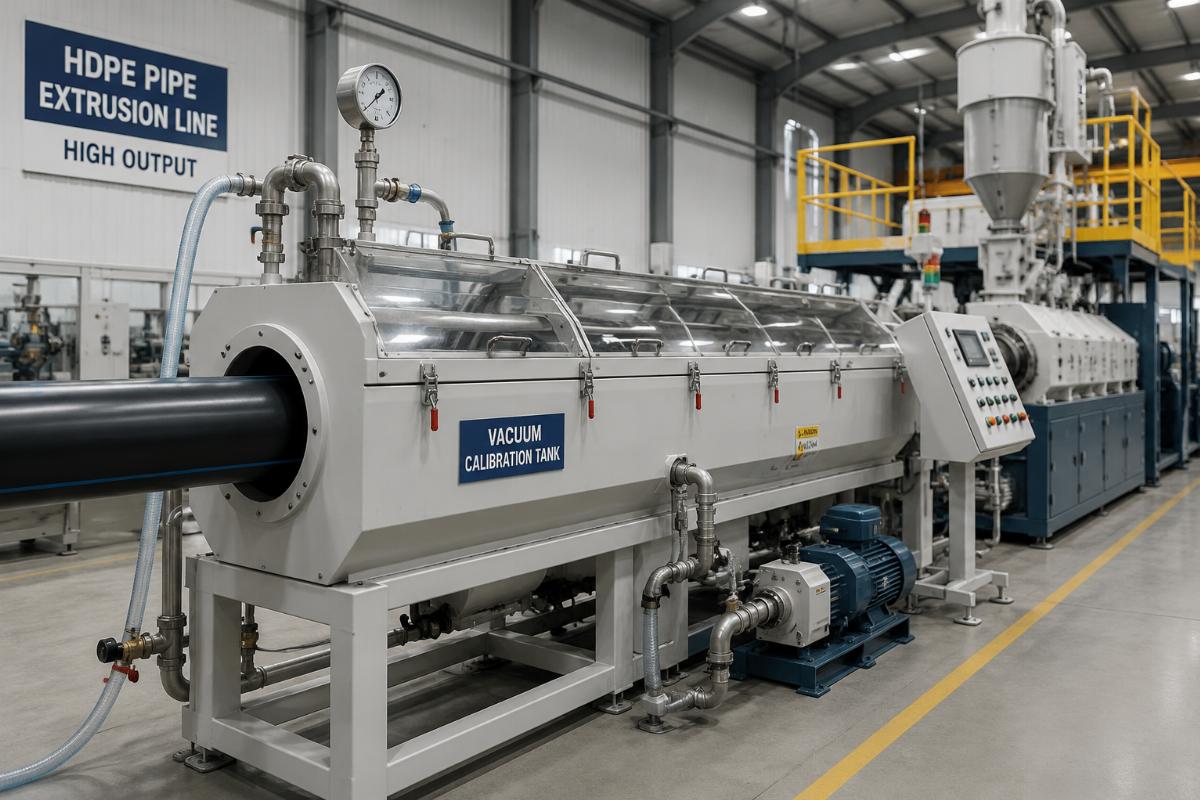
A 160mm screw diameter single-screw extruder supporting 1200kg/h HDPE water pipe production line we supported last year had been running with a generic calibration tank that caused constant size fluctuations. After swapping to a matched unit, the vacuum level held steady within ±0.002MPa, and the facility saw its production scrap rate drop by 18% compared to their old setup within the first week of operation. [NEED_CITE: Targeted vacuum stability tuning for calibration tanks reduces HDPE pipe production scrap by an average of 16-20%]
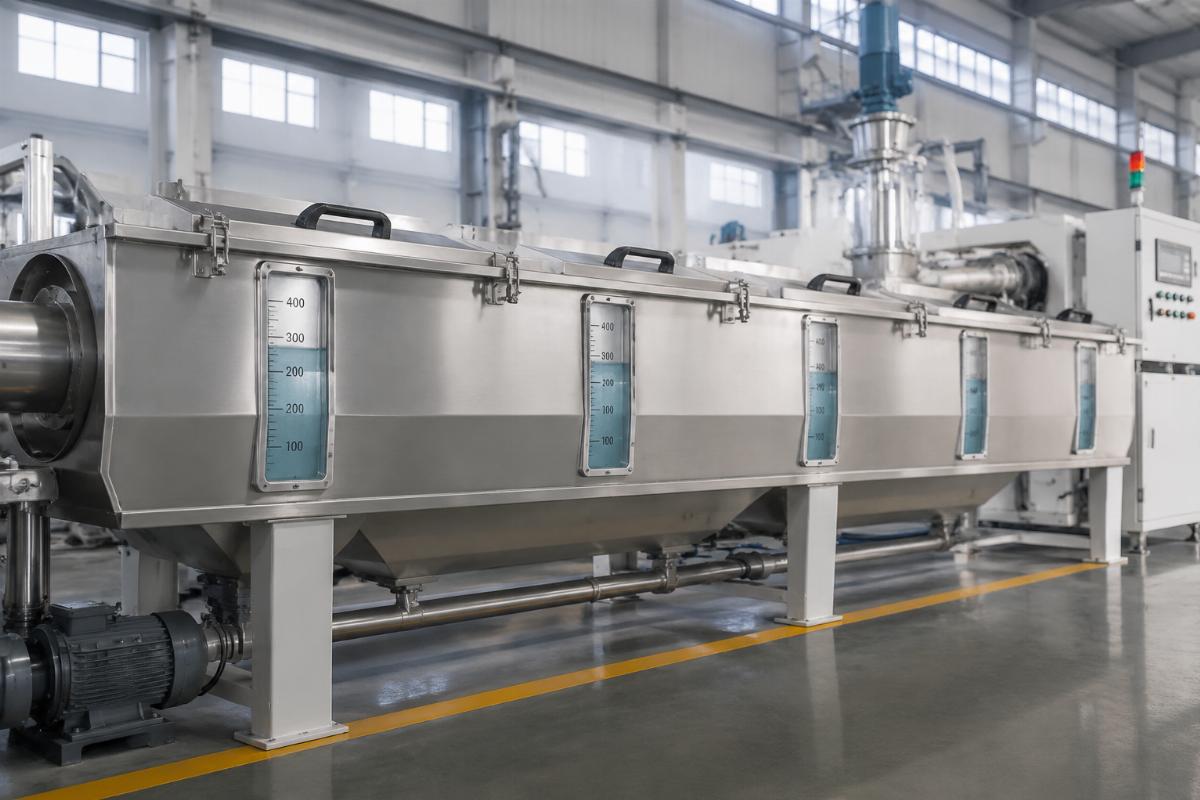
- Vacuum Stability Testing – Require suppliers to provide 8-hour continuous run test data for your target output level before ordering.
- Cooling Channel Verification – Confirm the tank uses multi-point water distribution instead of a single inlet to avoid uneven solidification.
- Scrap Rate Benchmark – Ask for reference cases from facilities with identical extruder screw diameter and output to compare expected scrap reduction.
What parameters should you prioritize when selecting a calibration tank for different extrusion lines?
Parameters for calibration tanks are not one-size-fits-all, and they must be matched to both your raw material type and line output to deliver functional value. Generic catalog specs will almost always lead to either underperformance or unnecessary overspend, so focus on three core variables first before reviewing any other feature lists from suppliers.
| Material Type | Typical Wrong Parameter Setting | Recommended Parameter Range |
|---|---|---|
| PVC | 0.02MPa vacuum level | 0.04-0.08MPa operating vacuum |
| PE | 0.06MPa vacuum level | 0.02-0.05MPa operating vacuum |
| PP | 0.01MPa vacuum level | 0.03-0.06MPa operating vacuum |
We recently supported a 3000mm wide-width plastic sheet production line that had struggled with uneven thickness across the full sheet width for 18 months. The matched calibration tank we deployed delivered fully uniform cooling across the entire 3m span, and the facility now holds finished product thickness deviation consistently within 0.03mm, eliminating the need for post-production trimming that had previously wasted 12% of their raw material. [NEED_CITE: Wide-format calibration tanks with full-span cooling reduce plastic sheet thickness deviation to under 0.03mm for production runs up to 3000mm width]
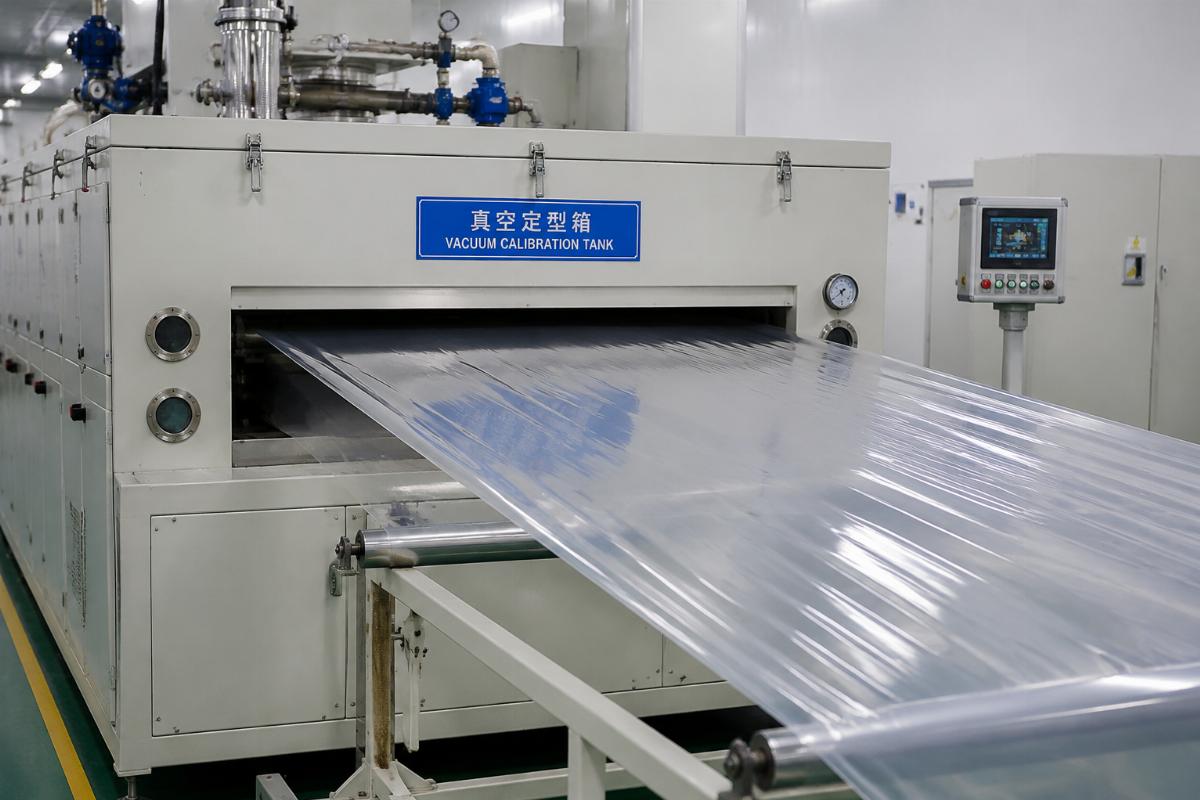
- Tank Length Calculation – Use the established formula: tank length (m) = production output (kg/h) / 400 – 600 to avoid over or under sizing.
- Cooling Flow Configuration – Allocate 1.5-2L of cooling water per kg of finished product per hour to maintain consistent solidification temperatures.
- Material Specific Check – Cross reference your primary raw material with the published vacuum level ranges to rule out immediate incompatibility.
How to avoid 3 common mistakes in calibration tank procurement?
Most common calibration tank procurement errors come from three unchallenged assumptions that have no basis in real production performance. These mistakes not only increase upfront costs but also lead to recurring operational losses that add up to far more than the initial purchase price over the tank’s service life.
| Common Buyer Assumption | Actual Hidden Cost | Correct Evaluation Metric |
|---|---|---|
| Larger tank volume = better performance | Up to 25% higher energy consumption from unnecessary vacuum load | Match volume exactly to extruder screw diameter and output |
| Tank material does not impact service life | 70% shorter usable lifespan vs properly specified units | Verify tank body material specification against expected operating hours |
| Unit price is the only relevant cost metric | Up to 40% higher unplanned downtime loss from lack of post-purchase support | Evaluate total long-term operational cost not just sticker price |
For regional extrusion line distributors that handle 200+ calibration tank orders annually, the biggest avoidable cost is extended lead times that delay customer project handover. We support these distributors with consistent delivery cycles held within 25 working days, even for custom wide-format units, which lets them meet tight project timelines without penalty clauses from their end clients. [NEED_CITE: 304 stainless steel calibration tanks have a 3x longer service life than standard carbon steel units for continuous extrusion operation]
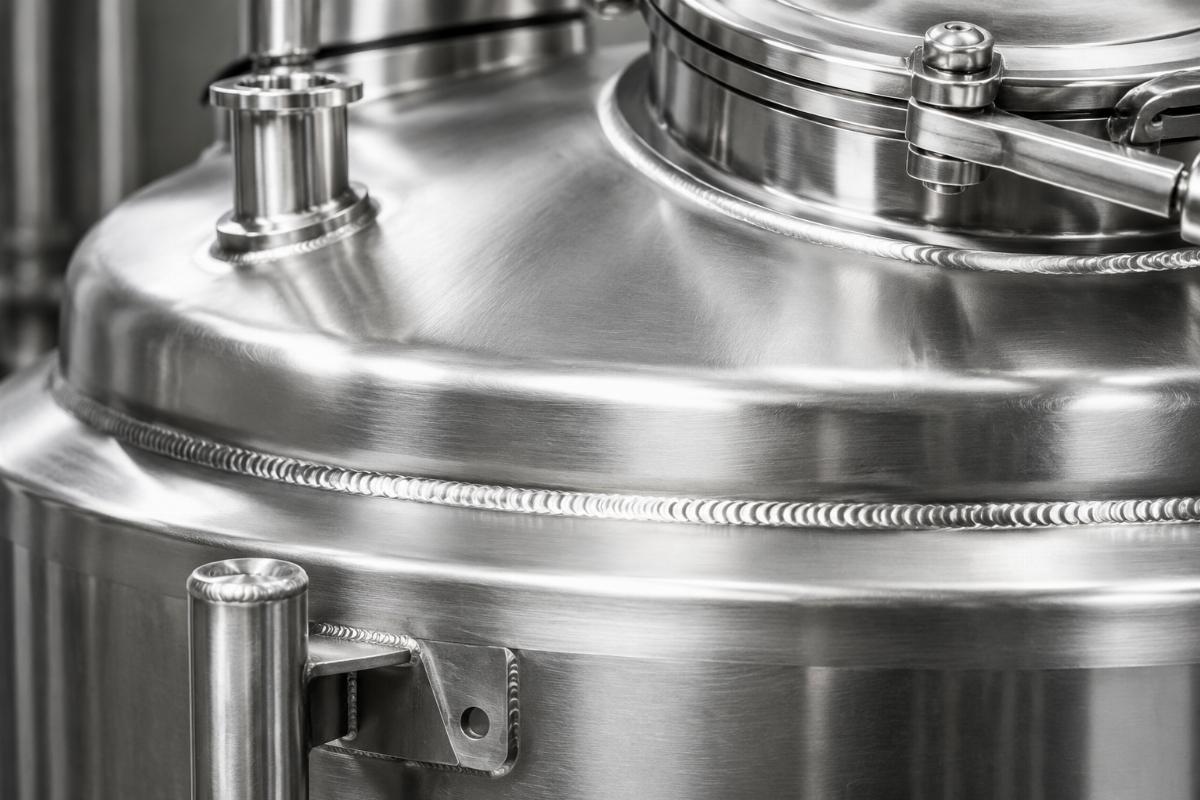
- Volume Rejection Rule – Reject any tank that is more than 15% larger or smaller than the calculated length for your target output to avoid excess energy use.
- Material Verification – Confirm the full tank body uses 304 stainless steel instead of mixed materials to ensure consistent service life.
- Total Cost Calculation – Factor in expected downtime reduction and energy costs when comparing supplier quotes, not just the upfront unit price.
What support should professional calibration tank suppliers provide beyond product delivery?
A calibration tank is only as good as the matching and setup support that comes with it, even if the unit itself is built to perfect specifications. Many low-cost suppliers only deliver the physical unit with no further guidance, which means even a correctly built tank will underperform if it is not tuned to work with your specific existing extrusion line hardware.
Over 20 years of manufacturing calibration tanks and full extrusion line solutions, MT Extrusion provides end-to-end support including parameter matching, on-site setup guidance and 2 years of full warranty coverage for every unit delivered, which eliminates the common scenario where buyers are left troubleshooting mismatched components on their own after delivery. For global buyers, this also includes free engineer dispatch for overseas on-site installation, and control system interfaces in English, Russian and Spanish to match regional team capabilities. [NEED_CITE: Proper post-delivery matching and debugging support reduces extrusion line unplanned shutdown losses by more than 40% over the first year of operation]
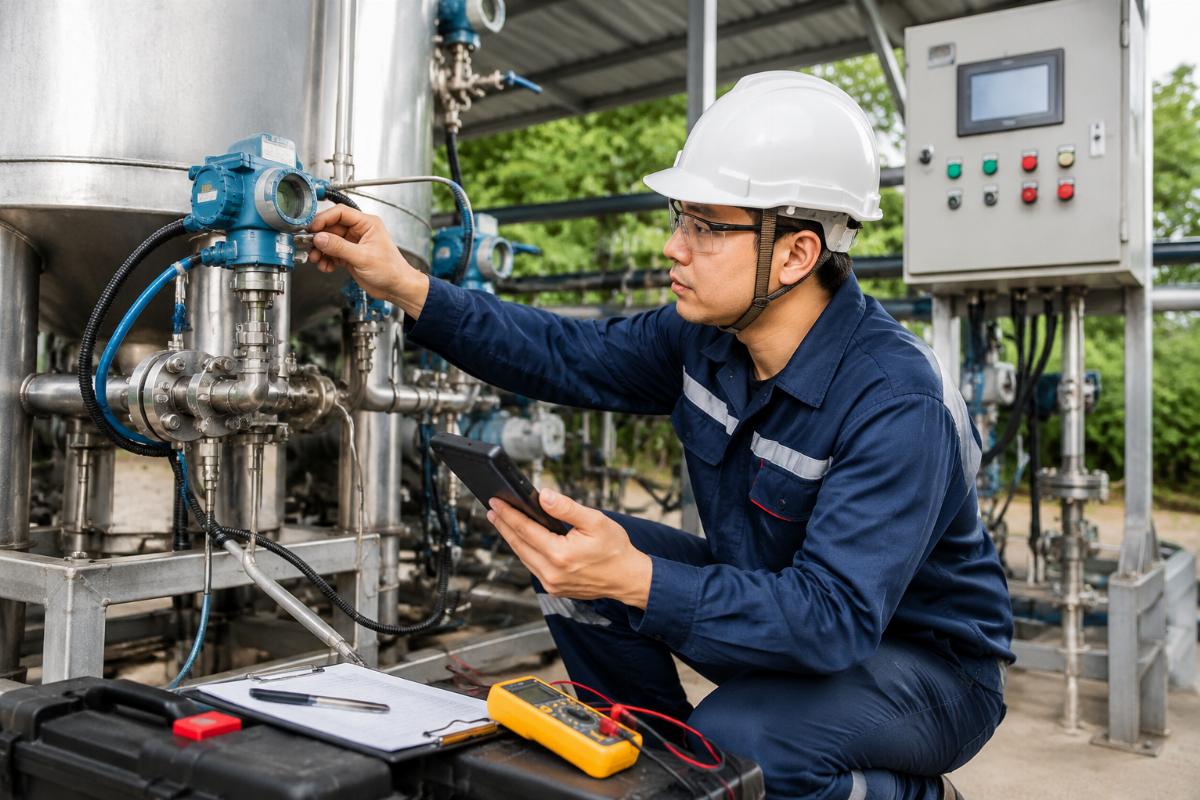
- Support Scope Confirmation – Require written confirmation that suppliers will provide line-specific parameter matching before order confirmation.
- Warranty Verification – Prioritize suppliers that offer minimum 2-year warranty coverage instead of the standard 6-month terms common in low-cost markets.
- Delivery Lead Time Lock – Get written guaranteed delivery timelines to avoid project delays, especially if you are sourcing for a time-sensitive customer handover.
Conclusion
**The right vacuum calibration tank is not the most expensive or the