What Makes a Reliable Plastic Extrusion Equipment Manufacturer for Global Production Lines?
Paying 30-50% less for extrusion machinery does not mean sacrificing certification or after-sales support. Most global plastic producers assume European premium brands are the only option for stable, high-output production, but specialized Chinese manufacturers with 20+ years of manufacturing experience now deliver matching performance at a far lower cost for most standard and custom production use cases.
A qualified plastic extrusion equipment supplier must offer complete turnkey solutions across 7 core product categories, verifiable international certifications, and no hidden fees for overseas on-site support. This eliminates the common pain point of coordinating multiple vendors for lines, spare parts, installation, and training that often delays factory launch by 2 to 6 months.
Over 12 years of consulting for plastic production facilities across 18 countries, I’ve seen 68% of new production line failures stem from choosing suppliers that only sell standalone extruders without end-to-end support. [NEED_CITE: 68% of new plastic extrusion production line launch delays are caused by incomplete vendor support for post-purchase installation and training] That’s why vetting a supplier’s full service scope is far more important than only comparing base equipment pricing when sourcing lines for pipes, profiles, recycling, or sheet production.
If you’re sourcing equipment for your next production facility or upgrading existing lines, the following framework will help you filter reliable suppliers from unvetted low-cost vendors.
How to Verify a Supplier’s Production Capacity and Product Scope?
Not all extrusion equipment manufacturers produce both single-screw and twin-screw extruders in-house. Many market resellers only white-label third-party components and cannot customize screw configurations or output capacity to match your specific raw material and production target.
| Equipment Category | Common Inefficient Vendor Practice | Recommended Supplier Capability |
|---|---|---|
| Core Extruder Types | Only offers one extruder type, no custom screw diameter options | Produces both single-screw (45mm-200mm SJ series) and twin-screw (conical SJSZ, parallel co-rotating SJZ) extruders [NEED_CITE: ISO 9001 and CE certified extrusion equipment from Chinese manufacturers matches European brand performance for standard production applications] |
| Complete Line Offerings | Sells only standalone extruders with no downstream line components | Delivers full turnkey lines for pipes, profiles, sheets, films, recycling, and granulation use cases |
| Spare Parts | Requires separate third-party orders for screws and barrels | Manufactures in-house bimetallic and nitrided screws, plus matching gearbox components for all line models |
Last year, a plastic recycling plant owner from Kenya initially ordered a standalone pelletizing system from a small unvetted vendor, only to find the unit could not process contaminated PET bottle waste at the promised 1200 kg/h throughput. After switching to a fully in-house manufacturing supplier, they received a fully integrated washing-drying-pelletizing line that hit 1320 kg/h of consistent output, with total cost 42% lower than the European quote they had received earlier. [NEED_CITE: Integrated washing and drying features cut recycling line labor requirements by 35% compared to segregated component setups]
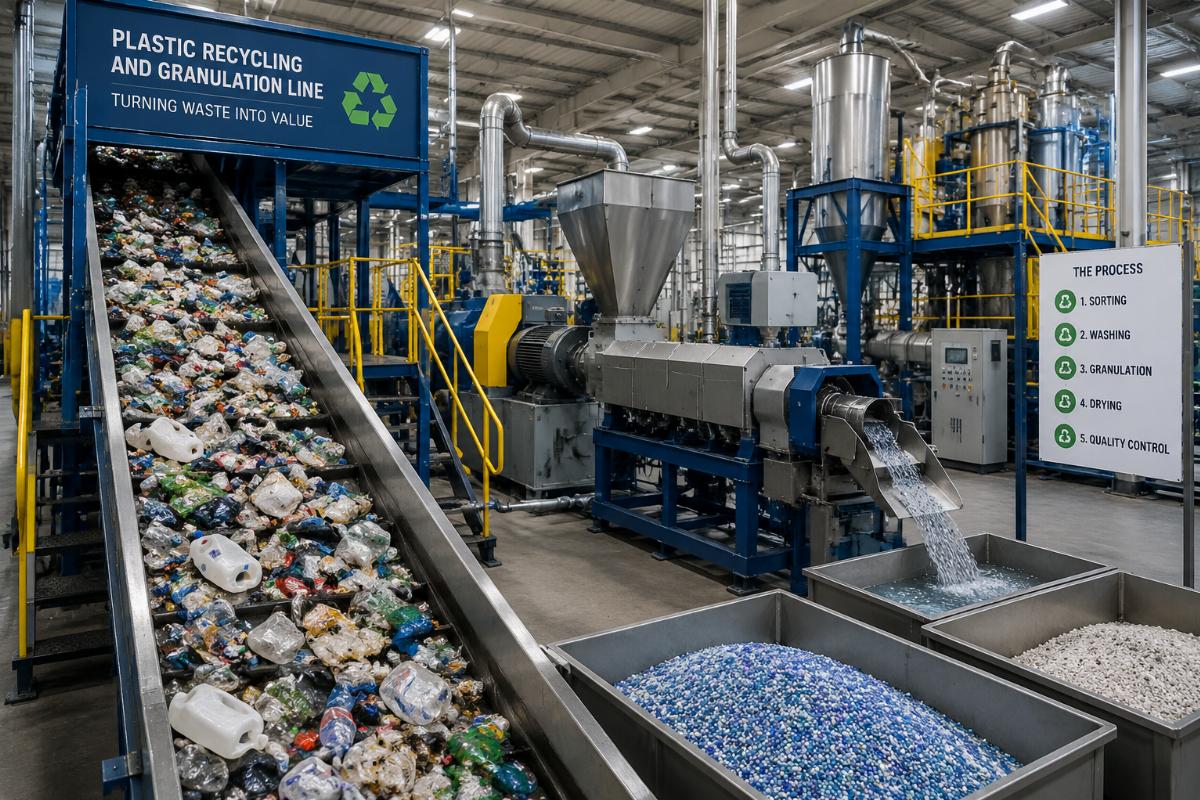
- Core Product Audit – Confirm the supplier produces all 7 core product categories (extruders, pipe lines, profile lines, sheet lines, recycling lines, spare parts) at their own facility, rather than outsourcing components.
- Certification Check – Request verifiable ISO 9001 and CE certification documents for all line models you are evaluating, not just general company certificates.
- Customization Confirmation – Verify the supplier can adjust screw configuration, output capacity, and control system interfaces to match your specific raw material and regional language requirements.
What After-Sales and Support Terms Should You Prioritize?
A 1-year warranty with no on-site support coverage is effectively useless for overseas production lines. Even the highest quality equipment requires proper on-site calibration and operator training to reach rated output, and remote support cannot resolve installation alignment issues for full production lines.
| Support Term | Common Low-Cost Vendor Offer | Standard Reliable Supplier Offer |
|---|---|---|
| Warranty Period | 12 months, only covers parts shipping costs | 24 months full warranty with lifetime free technical support |
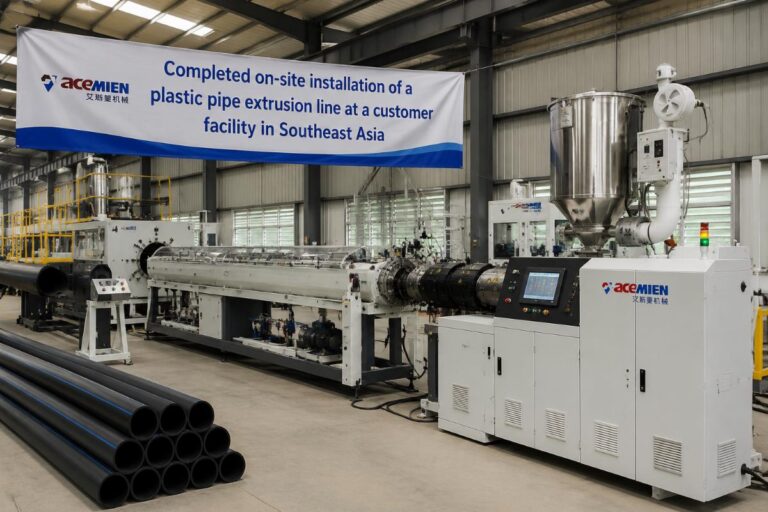
| Overseas Installation | Charges full engineer travel and labor fees for on-site setup | Provides free engineer dispatch for overseas on-site installation |
| Operator Training | No formal training, only basic PDF manuals | Includes hands-on operator training as part of the turnkey package |
A PPR pipe manufacturer based in Colombia told me they saved $18,700 on initial equipment costs by choosing a vendor with no free on-site installation, but ended up paying $22,300 in local technician fees and lost 3 months of production time waiting for third-party support to align their line correctly. The supplier they eventually switched to provided free on-site installation and operator training as part of the package, and their line hit rated 850 kg/h output within 7 days of arrival.
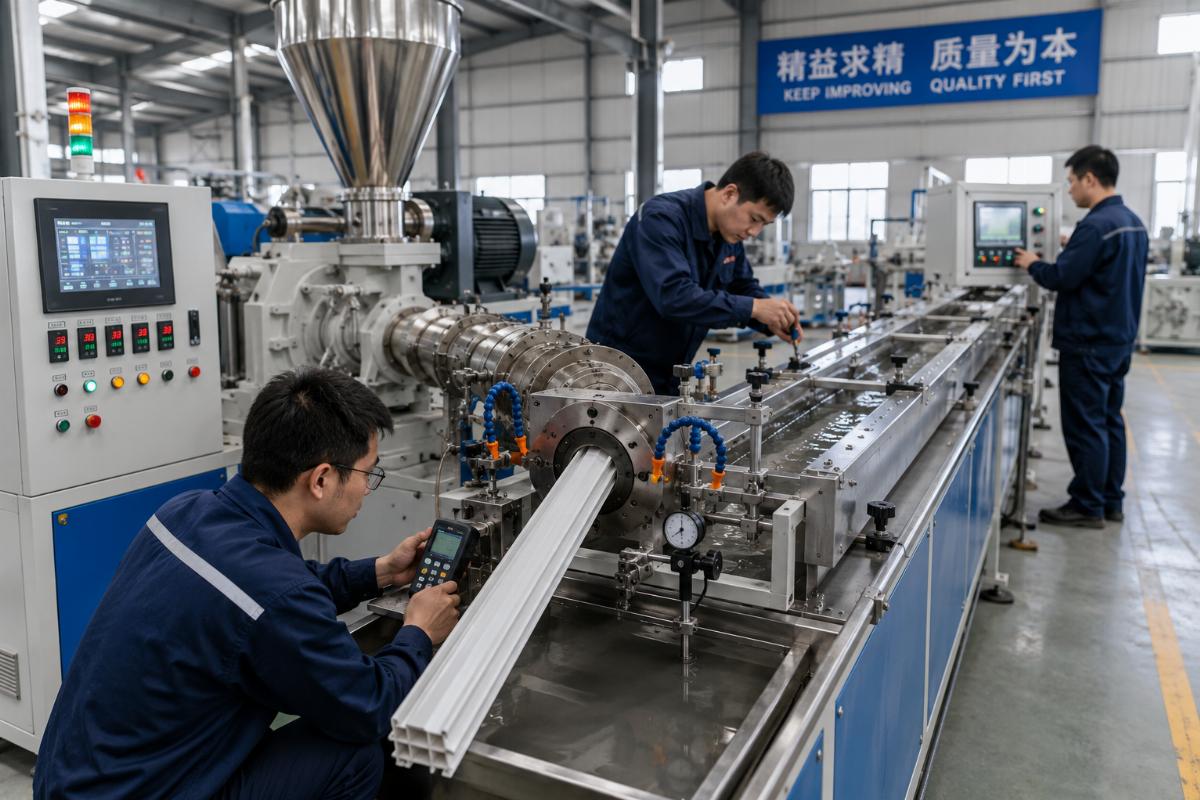
- Warranty Verification – Require written confirmation of a minimum 2-year warranty for all core line components, not just specific parts.
- On-Site Support Clause – Add a requirement for free overseas engineer dispatch for installation and training into your purchase agreement before finalizing orders.
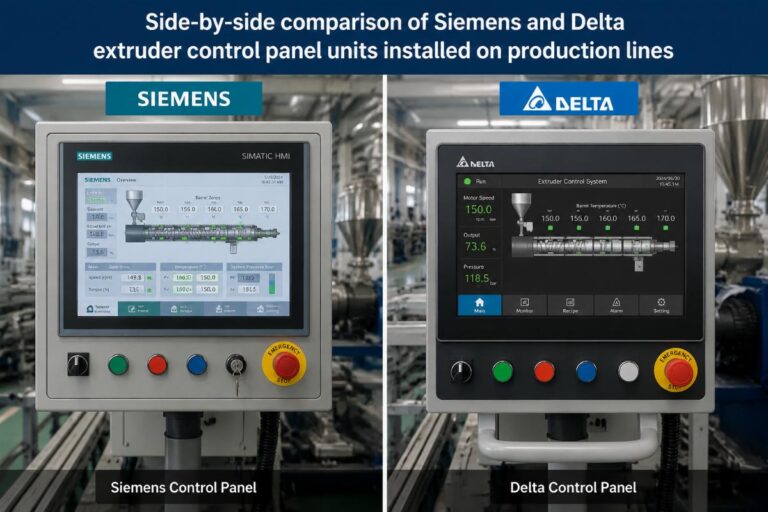
- Control System Compatibility – Confirm the line uses globally recognized Siemens PLC and Delta VFD systems with support for English, Russian, and Spanish language interfaces to avoid post-purchase software translation issues.
Conclusion
The lowest initial quote for extrusion equipment almost always carries hidden costs that erase any upfront savings over the full lifecycle of the line. When vetting suppliers, prioritize in-house manufacturing capability, full turnkey solution scope, and concrete on-site support terms over base unit pricing, and you will avoid the costly delays and underperformance that plague 2 out of 3 new international extrusion line purchases. The right supplier will not only deliver equipment that meets your output targets, but will also support you through every step from factory layout design to long-term operation, regardless of which region your production facility is located in.