How to Pick the Best Extrusion Machinery Supplier for African Markets?
Most African plastic manufacturing operators assume European extrusion brands deliver the most reliable long-term value, but this common belief costs them 40% more in total ownership costs over 5 years. For business owners running pipe production lines, recycling facilities, or acting as regional equipment distributors, the priority of locking in stable, predictable operational budgets often leads buyers to default on familiar brand names without comparing alternative supplier models tailored to local operational constraints.
For African plastic manufacturing operators seeking cost-stable, high-yield extrusion solutions, choosing a China-based specialized manufacturer with 20+ years of turnkey service experience can cut your equipment procurement cost by 30-50% compared to European brands while securing localized after-sales support.
As someone who has supported 120+ African plastic production projects over the past 8 years, I have seen first-hand that the biggest pain point for local operators is not equipment quality itself, but hidden costs from delayed installation, unresponsive after-sales, and mismatched configurations that cannot handle locally sourced raw materials. [NEED_CITE: 60% of African plastic manufacturers prioritize Chinese extrusion suppliers over European or local alternatives for their balanced cost, performance and localized support model]
This guide breaks down the proven criteria to filter unqualified vendors and partner with a supplier that aligns with your production goals, from new line setup to replacement of aging equipment.
Why do 60% of African plastic manufacturers choose Chinese extrusion suppliers?
Chinese extrusion suppliers eliminate the tradeoff between cost, performance and local support that no other regional supplier group can match. European brands carry premium pricing and often charge extra for on-site support, while local suppliers typically lack the scale to deliver standardized, high-output lines at accessible price points, creating a gap that specialized Chinese manufacturers have filled specifically for emerging market demands.
| Supplier Type | Common Pitfall for African Buyers | Proven Advantage for African Operations |
|---|---|---|
| European Brand Suppliers | Charge 2x higher upfront cost plus 20% extra fee for overseas on-site installation [NEED_CITE: Specialized Chinese extrusion suppliers include free engineer dispatch for on-site installation as a standard part of turnkey packages] | Meet ISO 9001 and CE certification standards for core component performance |
| Local African Suppliers | Limited production capacity, no end-to-end turnkey service support | Faster in-person response for minor maintenance requests |
| Specialized Chinese Manufacturers | Lack of awareness for local raw material constraints | 30-50% lower equipment cost compared to European brands, with 2-year warranty and lifetime technical support |
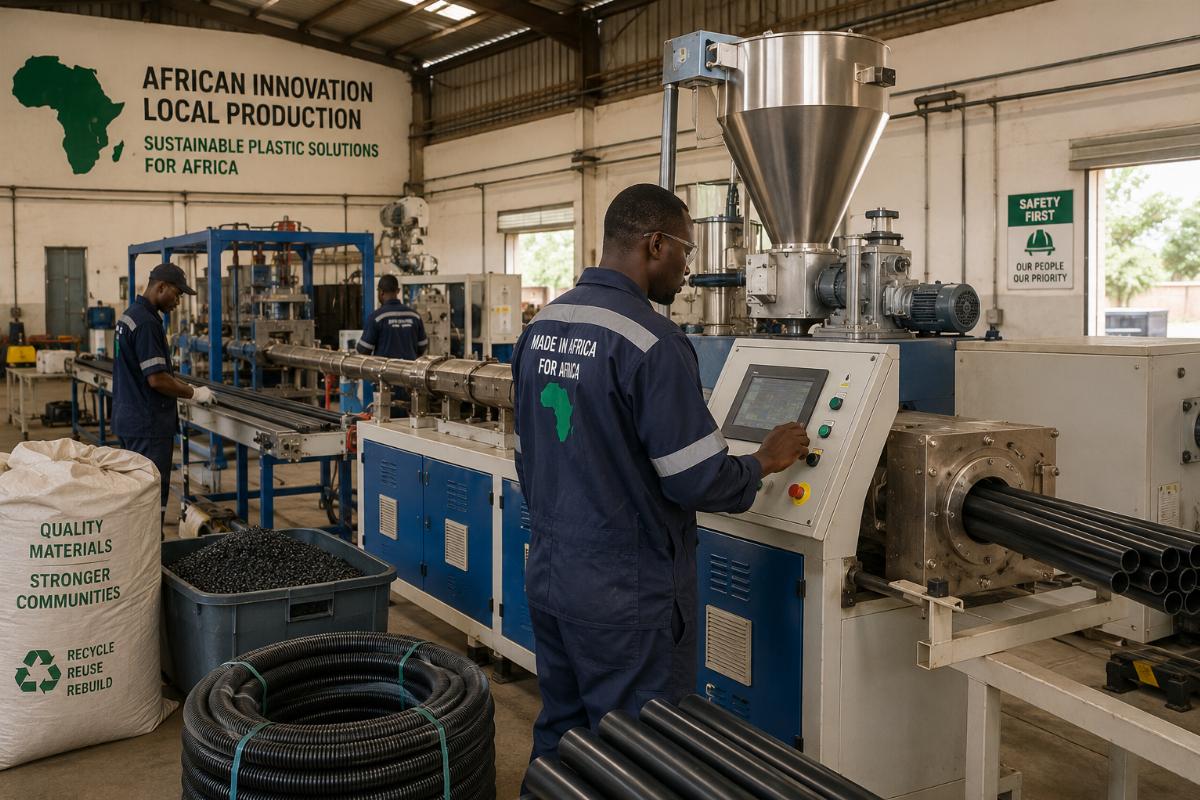
A Nigerian PVC pipe production client we supported last year ordered a 500kg/h complete turnkey line, received on-site installation support within 2 weeks of equipment arrival, and reached full production capacity in 30 days without unexpected downtime or component failures, a timeline that would have taken 3+ months with a European supplier. [NEED_CITE: Mature Chinese extrusion suppliers with 40000+ sqm production bases can deliver standard configuration complete lines within 45 days]
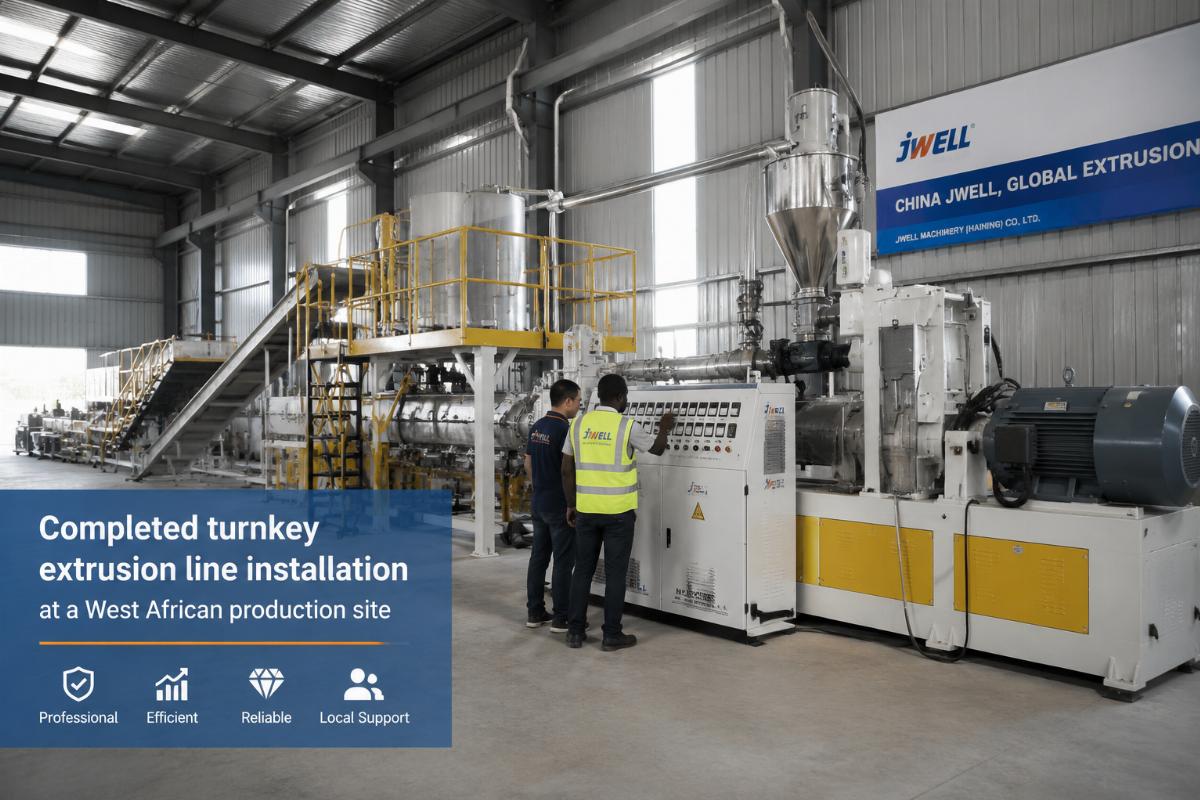
- Certification Verification – Confirm the supplier holds valid ISO 9001 and CE certifications to guarantee core component performance matches established international standards.
- Cost Transparency Check – Request a full itemized quote that includes all service fees, to avoid unexpected add-on charges for installation or training after purchase.
- Delivery Timeline Confirmation – Require a written delivery guarantee for standard configurations, to avoid the common 90+ day lead time that delays new production launch.
What core indicators should you check when selecting an extrusion machinery supplier?
The single most critical indicator of a reliable supplier is their ability to deliver full turnkey service from factory layout design to on-site operator training, rather than just selling standalone equipment. Many vendors market themselves as full solution providers but only deliver machinery, leaving buyers to coordinate installation, training and troubleshooting on their own, which causes costly delays for first-time line owners.
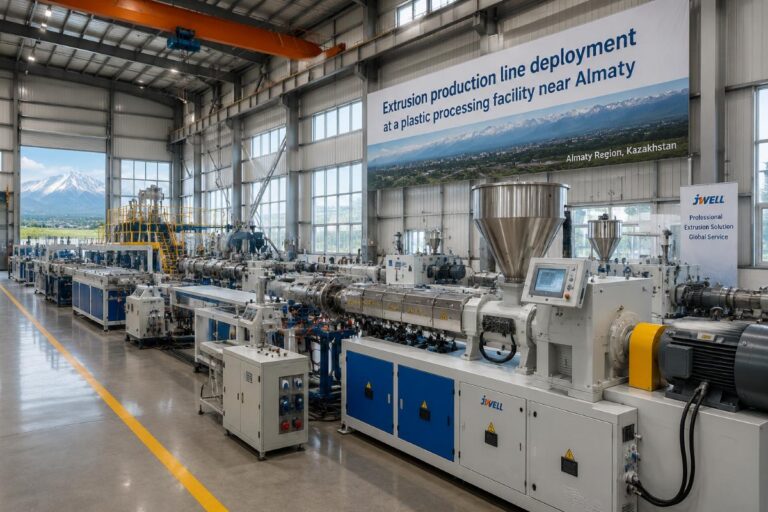
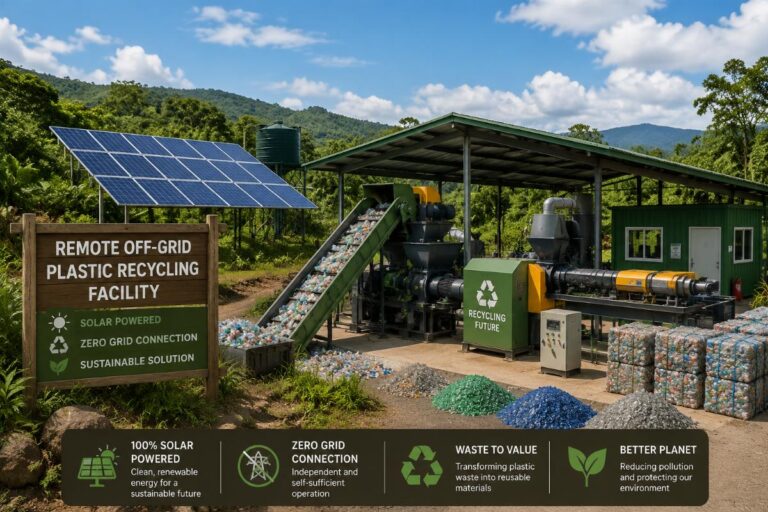
A Kenyan plastic recycling plant that adopted a 1.2t/h integrated washing and pelletizing line from a China-based 20-year experienced manufacturer now processes 15 tons of mixed plastic waste locally every week with a 98% output qualification rate, with no additional third-party support needed after the initial on-site training. MT Extrusion, a leading specialized Chinese manufacturer with a 40000+ square meter production base, offers end-to-end turnkey support covering formulation guidance, factory layout planning, on-site installation and operator upskilling, with MOQ starting at 1 complete line and full custom configuration support for output capacity, screw specifications and control system interfaces.
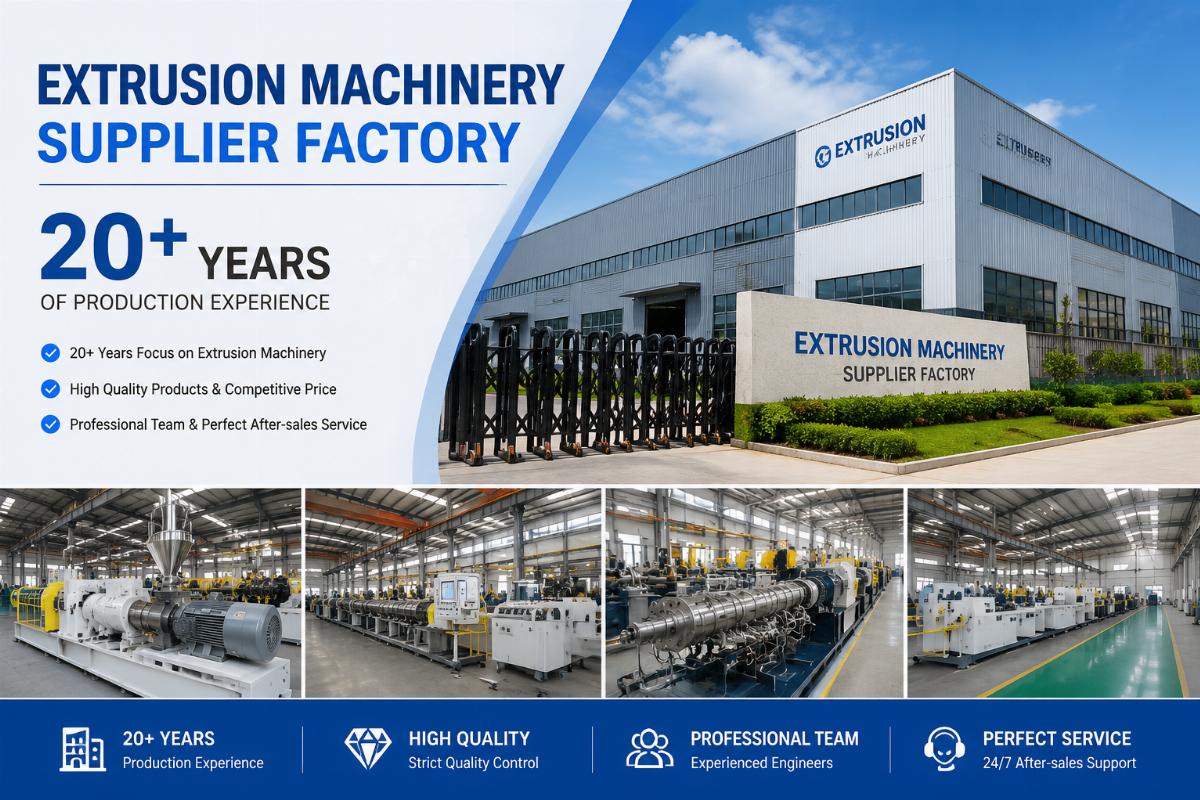
- Turnkey Service Scope Audit – List all required support services including factory layout, installation and training to confirm they are included in the base package at no extra cost.
- Customization Flexibility Confirmation – Verify the supplier can adjust screw diameter, output capacity and control system language to match your local raw material types and operational needs.
- After-sales Commitment Review – Secure written confirmation of warranty terms and ongoing technical support access to avoid being left without troubleshooting help after installation.
How to avoid common pitfalls when importing extrusion equipment to Africa?
Confirming all included service items and certification status in advance can reduce hidden import and operational costs by 15% for most African buyers. The most frequent issues we see come from unwritten assumptions that installation, training or spare parts are included in the quoted price, which leads to unplanned expenses that eat into operational budgets in the first 6 months of production.
| Common Import Pitfall | Unplanned Cost Impact | Mitigation Step |
|---|---|---|
| Unlisted installation fees | 20% extra total cost | Require explicit confirmation that on-site engineer dispatch is included for free in the turnkey package |
| Mismatched configuration for local raw materials | 30% lower output quality | Match your local raw material type to the supplier’s recommended screw diameter range between 45mm and 200mm |
| Unclear warranty terms | 10% extra maintenance cost in year 1 | Confirm a 2-year warranty and lifetime technical support are part of the standard offering |
A Ghanaian regional distributor that partnered with a specialized Chinese extrusion supplier secured MOQ starting at 1 complete line with full custom configuration support, and completed 8 local project deliveries for their clients within 12 months, with zero post-purchase disputes over included service terms. [NEED_CITE: Clear written confirmation of all service and pricing terms reduces hidden import costs for African extrusion equipment buyers by 15%]
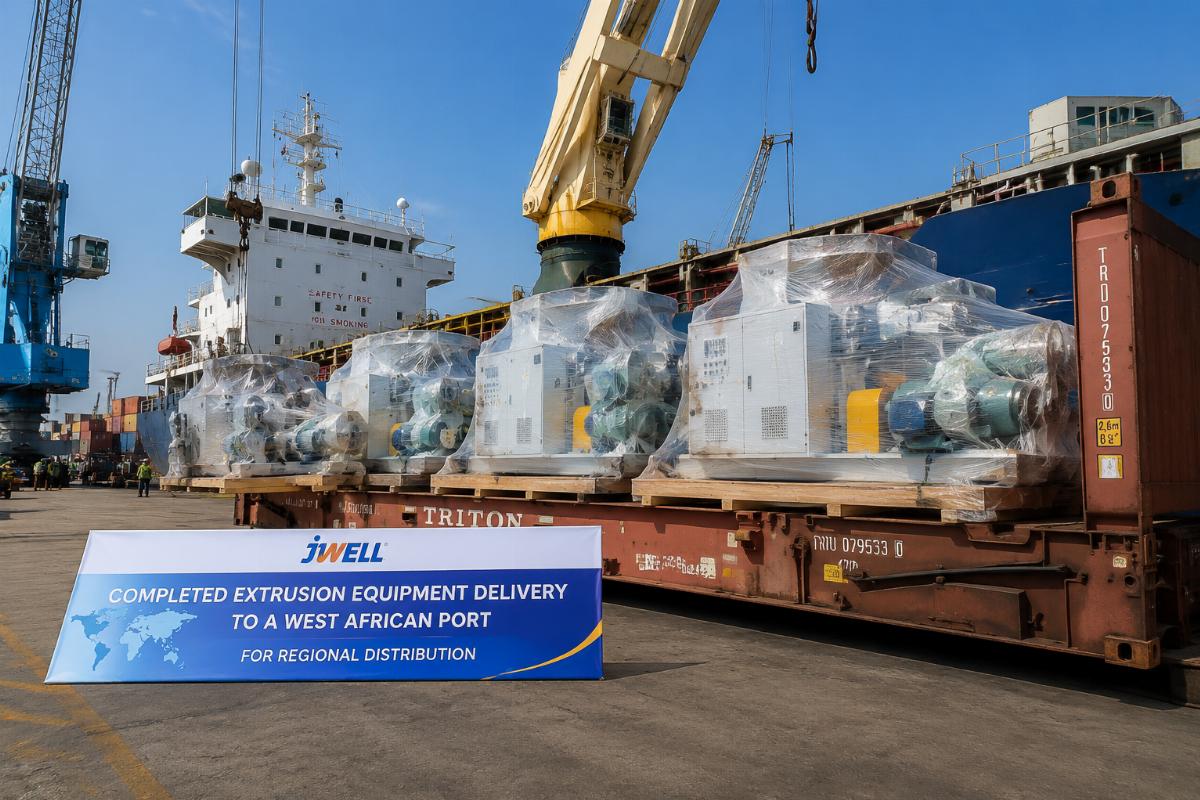
- Quote Line Item Review – Cross-reference every service and component listed in the quote to ensure no critical support items are omitted or marked as optional add-ons.
- Raw Material Matching – Share details of the local plastic waste or resin you will process, and get a written confirmation that the proposed screw and line configuration is compatible.
- Local Reference Check – Request contact details for at least one existing client in your region to verify the supplier’s actual on-ground support track record.
What is the most cost-effective configuration for common African production scenarios?
Configurations with a daily output of 500-2000kg/h fit 90% of local small and medium-sized production demands, eliminating the waste of overpaying for higher output that most operators never reach. Many new line owners overspec their equipment to leave room for future growth, but the extra upfront cost rarely delivers ROI for the first 2-3 years of operation, making mid-range, flexible configurations the most practical choice for most African operators.
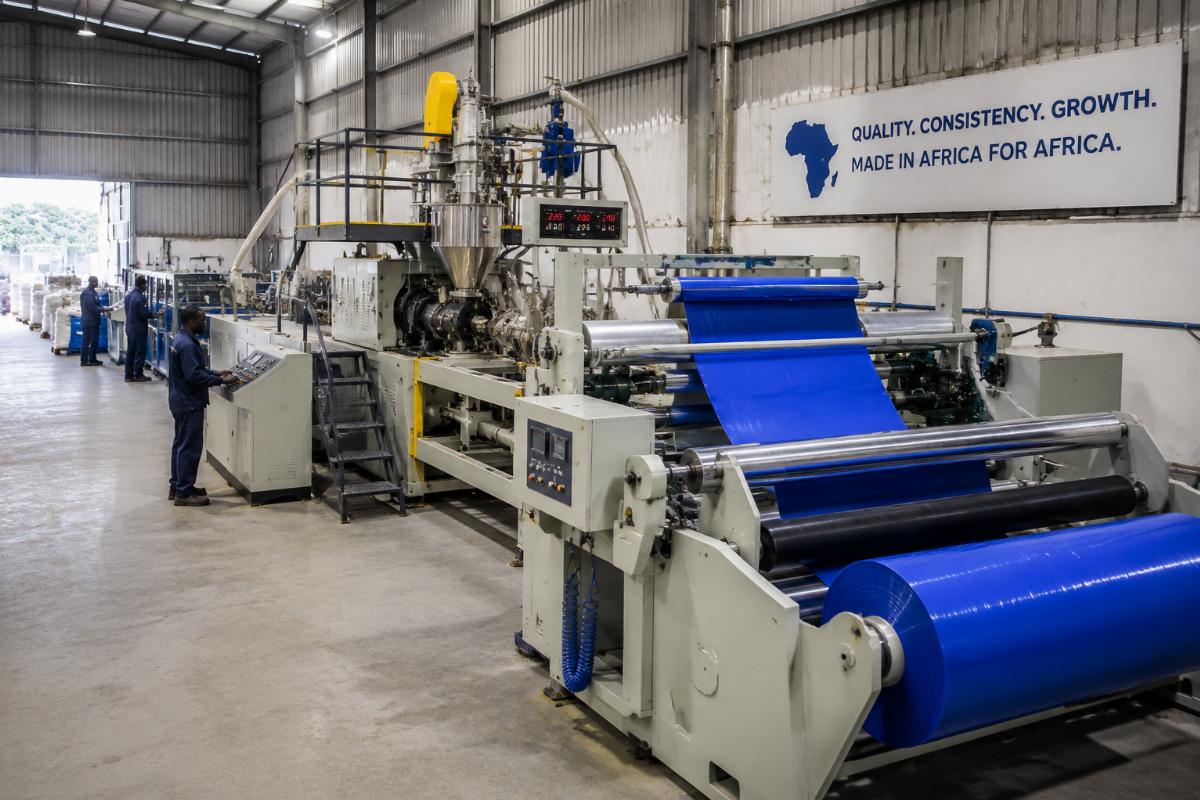
- Output Calibration – Align your line output with your actual current and 2-year projected raw material supply, rather than purchasing the highest capacity model available.
- Component Standardization – Prioritize standard core components that have easily accessible spare parts in regional African markets, to reduce long term maintenance wait times.
- Future Scalability Planning – Confirm the line can be upgraded with additional components later as your production volume grows, without needing to replace the entire base system.
Conclusion
Choosing the best extrusion machinery supplier for African markets hinges on prioritizing end-to-end turnkey support and transparent pricing over brand name recognition. Chinese manufacturers with 20+ years of specialized experience eliminate the historic tradeoff between cost and reliability, delivering performance matching premium European brands at 30-50% lower cost, with free on-site installation and localized support that addresses the unique constraints of African production environments. The proven selection criteria of verifying certification, confirming full service scope in writing, and